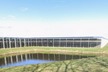
Sangju City is implementing a water thermal energy–based heating and cooling system for smart farm facilities using water resources from the Nakdong River, as part of its broader carbon-neutral and energy transition policies.
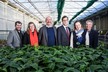
According to Sangju City, Obong Geun, Head of the Renewable Energy Division at Korea Water Resources Corporation (K-water), visited the site of the "Nakdong River Water Thermal Energy Complex Development Project" on January 16 to review its progress. The project is located at the Gyeongbuk Smart Farm Innovation Valley.
Water thermal energy is a renewable energy technology that uses water as a heat source. It takes advantage of relatively lower water temperatures compared to air in summer and relatively higher temperatures in winter. Through a heat pump system, it provides heating and cooling and is considered an alternative energy source that can reduce fossil fuel use and greenhouse gas emissions.
The Sangju project integrates water thermal energy into agricultural operations by using existing municipal water intake and pipeline infrastructure linked to the Nakdong River. City officials stated that this is the first case in South Korea in which water thermal energy has been applied to large-scale smart farms through municipal pipelines.
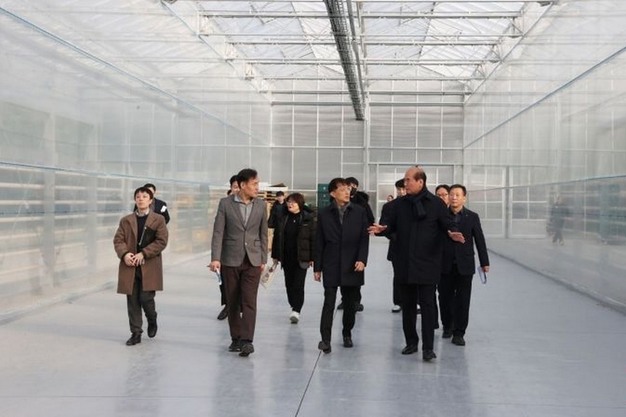 © Kwon Byunggeon
Obong Geun, Head of the Renewable Energy Division at Korea Water Resources Corporation, visits Gyeongbuk Smart Farm Innovation Valley
The project has a total budget of approximately 6 billion won and supplies a 600RT-scale water thermal energy system to a 2-hectare smart farm complex. Sangju City reported that the system resulted in estimated energy savings of about 790,000 kilowatt-hours in 2025.
During the site visit, Obong Geun said the project provides a reference case for applying water thermal energy to large-scale agricultural facilities and allows for performance comparisons between water-based and air-based thermal systems under similar conditions. He also noted that K-water will continue to provide technical support to ensure stable project operation.
Sangju Mayor Kang Youngseok stated that the city plans to continue cooperation with K-water and expand the use of renewable energy systems, including water thermal energy, as part of its carbon neutrality strategy.
Sangju City indicated that it plans to gradually extend water thermal energy applications to additional sectors, with the goal of establishing a sustainable energy transition model that supports both energy efficiency and local industry development.
Source: cm.asiae.co.kr