Environment and Climate Change Canada (ECCC) and Agriculture and Agri-Food Canada (AAFC) have released a new study examining the economic impact of replacing fresh produce packaging based on material alone, and how those changes affect consumers and the entire supply chain. The report, Estimating the Cost Implications of Reducing Plastic Packaging for Fresh Produce, reinforces the fresh produce industry's long-held position that sustainable packaging solutions must be evaluated holistically, with food waste prevention as the primary goal.
This costing analysis builds on the findings of a 2024 government study, Quantifying the Functionality Importance of Plastic Packaging in Fresh Produce from a Needs/Benefit Perspective, which introduced an innovative framework for understanding the critical role packaging plays in protecting fresh produce. While the earlier study focused on why packaging functionality matters, the new report quantifies the significant economic consequences of ignoring it.
The Canadian Produce Marketing Association (CPMA) applauds the government for investing in evidence-based research that highlights the complex trade-offs between packaging materials and their impact on food affordability and accessibility. The findings strongly validate the principles behind the joint Sustainable Produce Packaging Alignment (SPPA) initiative, co-led by CPMA and Western Growers, a US-based association. The initiative seeks to establish a science-based, functional approach to packaging for the North American fresh produce industry.
The government's costing study shows that material-driven packaging changes can lead to significant price increases for consumers. For example, transitioning from a low-cost plastic bag for apples to a cardboard box could increase the retail price by approximately 42 percent. Even a more modest change, such as switching tomatoes from a plastic clamshell to a fibre tray with a plastic lid, could raise retail prices by about 11 percent.
The study also challenges the assumption that selling produce loose is always cheaper. It found that loose apples cost Canadian consumers 39 percent more by weight than pre-packaged options, largely due to operational inefficiencies and increased product shrink throughout the supply chain. In addition, the report highlights strong consumer resistance to non-transparent packaging. Trials using opaque packaging resulted in notable drops in sales, even when prices did not increase, because consumers value being able to visually assess freshness and quality.
"Last year, we commended the government for commissioning a study that validated the essential functions of produce packaging," said Ron Lemaire, President of CPMA. "Today, this new costing data provides the missing pieces of the puzzle. It proves what we have been saying all along: if packaging policy is driven by a narrow focus on materials, it will be Canadians who pay the price at the checkout, while also risking an increase in food waste. This evidence underscores the urgent need for pragmatic, harmonized regulations that reward functionality and demonstrably positive environmental outcomes, rather than penalizing materials without considering the consequences."
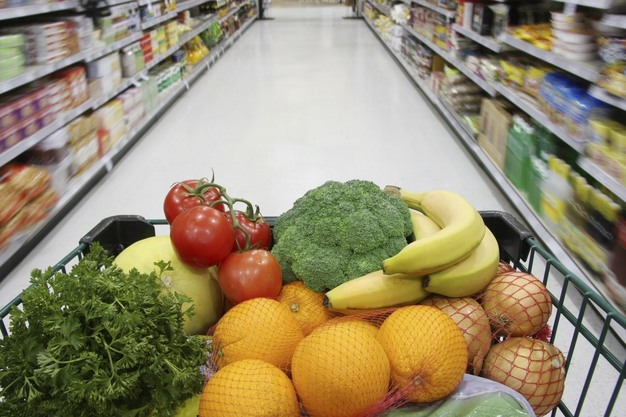 © Canadian Produce Marketing Association
These findings come at a critical time, as the fresh produce industry navigates a complex landscape of differing regulatory and retailer requirements that often overlook the primary purpose of packaging: protecting food from waste. The resources required to grow produce, including water, energy, and land, are substantial, and the environmental impact of food waste far exceeds that of its packaging.
The report further illustrates how fragmented, material-ban approaches create inefficiencies and economic burdens for growers and consumers on both sides of the border. This reinforces CPMA's commitment, through the SPPA initiative, to lead with science and functionality. The goal is to create a clear, harmonized roadmap that supports innovation and delivers meaningful, measurable sustainability gains across the fresh produce sector.
CPMA will integrate the findings of this costing study into the SPPA framework, using the data to further develop industry-wide guidelines that help all stakeholders make informed, evidence-based packaging decisions that balance environmental, economic, and social priorities.
For more information:
Micken Kokonya
Canadian Produce Marketing Association
Tel.: +1 (613) 769-8742
[email protected]
https://cpma.ca/