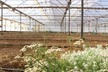
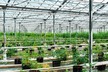
Protected cultivation systems are increasingly being used for the production of medicinal and exotic crops, driven by demand for high-value botanical ingredients, year-round supply stability and quality standardisation. Kshitija Purvat, Marketing Manager at Khetigaadi, India, shares that as controlled-environment agriculture matures, growers are moving beyond traditional horticultural crops to focus on plants with pharmaceutical, nutraceutical and cosmetic applications, as well as niche exotic produce.
"Medicinal and specialty crops are particularly suited to greenhouse production because even minor environmental variations can affect active compound levels and commercial acceptance. Controlled cultivation allows growers to deliver predictable quality, which is critical for downstream processors and regulated markets."
Commercial attractiveness of medicinal and exotic crops
The team at Khetigaadi shares that greenhouses in their region are increasingly used to cultivate crops such as Aloe vera, Echinacea and other medicinal botanicals, including legally permitted cannabis varieties where regulations allow. These crops attract premium pricing due to their functional properties and growing demand across health, wellness and personal care sectors.
"In medicinal plant production, consistency is as valuable as yield," Kshitija notes. "Greenhouse systems support uniform phytochemical profiles, which simplifies compliance with buyer specifications and quality audits."
Alongside medicinal plants, exotic herbs, edible flowers, specialty spices and fruits such as dragon fruit are gaining traction. Controlled light spectra, temperature regimes and fertigation strategies enable growers to replicate optimal growing conditions independent of geography or season, while reducing pest pressure and chemical inputs.
Precision cultivation and sustainability outcomes
"The advanced greenhouse operations also increasingly integrate hydroponic and soilless systems to maximise resource efficiency. These approaches allow precise nutrient delivery, lower water consumption and reduced runoff, aligning with sustainability requirements set by both regulators and multinational buyers."
While greenhouse interiors rely on compact and precision tools, mechanisation remains critical at the project level. Land preparation, infrastructure development, material handling and post-harvest logistics all require reliable agricultural equipment.
"Khetigaadi works closely with farmers and project developers who use advanced tractors from brands such as John Deere for greenhouse-linked operations," Kshitija explains. "Protected cultivation does not eliminate the need for mechanisation; it changes where and how equipment is used."
Tractors and implements are commonly deployed for site levelling, soil movement, compost handling, inter-row operations around greenhouse blocks and large-scale hybrid farming projects. Within greenhouse and nursery zones, smaller mechanisation tools, including power tillers, sprayers and weeders from the company support precision tasks and routine maintenance.
Regulatory pressures on medicinal crop production
Despite strong market prospects, medicinal crop cultivation remains heavily regulated. Plants containing pharmacologically active compounds are subject to licensing, traceability and compliance systems that often include seed-to-sale tracking, security requirements and periodic inspections.
"Regulatory compliance is one of the defining challenges of medicinal greenhouse crops here," the Khetigaadi team states. "Entry barriers are high, and operational planning must account for legal, administrative and quality-control costs from the outset."
In addition to drug regulations, growers must meet agricultural and processing standards such as GAP and GMP. Products marketed with health claims may also face additional validation requirements. International trade adds further complexity through phytosanitary regulations and country-specific import restrictions.
"For greenhouse operators, success increasingly depends on integrating regulatory requirements into production design rather than treating them as an afterthought. Robust documentation systems, quality assurance protocols and engagement with certification bodies are now standard components of commercially viable operations."
"Growers who align advanced cultivation practices with regulatory discipline are better positioned to access premium and export markets," Kshitija concludes. "In this segment, compliance is a market enabler."
For more information:
Atfem Khetigaadi
Kshitija Purvat, Marketing Manager
[email protected]
https://khetigaadi.com/