Climate change is already reshaping agriculture in Tajikistan, forcing farmers to adjust production systems, crop choices, and cultivation methods. Local growers are responding using greenhouses, water-saving technologies, and practical field innovations to safeguard food production.
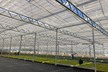
Greenhouses in Tajikistan have evolved from seasonal shelters into year-round production systems. Farmers now use plastic coverings to regulate temperature, reduce heat stress, and protect crops from cold snaps and drought. In winter, greenhouses retain heat and ensure continued growth. In summer, they function as protective barriers, using shading, ventilation, and drip irrigation to limit overheating and moisture loss. What was once simple protection has become a tool for securing predictable harvests under unstable weather conditions.
Water scarcity has pushed farmers to adopt drip irrigation, allowing precise water delivery directly to plant roots. This method minimizes evaporation and makes it possible to cultivate land that was previously too dry for farming. Fields using drip irrigation now produce stable yields, even during prolonged dry periods, demonstrating how efficient water management supports resilience in changing climates.
Protective agricultural fabrics are increasingly used alongside plastic film. These materials shield crops from intense sunlight, temperature fluctuations, and unexpected rainfall. For sensitive crops such as strawberries, this protection reduces rot and preserves quality, helping farmers maintain marketable produce despite unpredictable weather.
Climate pressures have also encouraged experimentation with new crops. Farmers now grow bananas, grapefruits, mandarins, limes, and kiwis in non-tropical regions by creating controlled environments. Each plant reflects a shift toward adaptive production systems capable of supporting non-traditional crops.
In the Khatlon region, low winter precipitation threatens pomegranate orchards. To mitigate risk, farmers grow pomegranates in greenhouses, protecting them from cold and pests. Mushrooms are also produced in controlled environments, supplying markets throughout the year, including winter months.
Potato production has adapted as well. Farmers now grow potatoes in greenhouses and harvest earlier in the season. In open fields, potatoes are planted between rows of corn, using natural shade to protect plants from excessive heat. This approach improves land use efficiency and stabilizes yields.
Climate change presents ongoing challenges, but Tajik farmers are responding with practical solutions. Through technology, controlled environments, and adaptive cultivation methods, they are transforming climate risks into stable and sustainable harvests.
Source: asiaplustj.info