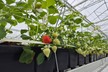
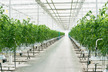
On a stretch of land in Dawhenya, near Prampram, rows of greenhouses now glow with life—quietly rewriting a story that once symbolised neglect. For nearly eight years, the irrigation and greenhouse facility stood idle, a reminder of missed opportunities in Ghana's agricultural sector. Today, it is buzzing with young farmers, technology and export-bound vegetables.
At the centre of the revival is Dr. Felix Mawuli Kamassah, Chief Executive Officer of Marphlix Trust, whose message to policymakers is simple but urgent: Ghana can no longer farm the way it used to.
"Everybody knows the climate has changed. This year, did we even have harmattan? No. That alone tells you the climate is changing every day," Dr. Kamassah said during a media tour of the facility. The Dawhenya site—originally developed by the Ghana Irrigation Development Authority (GIDA) in partnership with Israeli firm Agritop—houses about 100 greenhouse units. After years of abandonment, Marphlix Trust took over operations in 2025, transforming the site into a modern training and production hub for controlled-environment farming.
Today, hundreds of young Ghanaians—many with no farming background—are learning how to grow vegetables using greenhouse technology, irrigation systems and data-driven crop management. The produce supplies both local markets and export channels, but the bigger impact, Dr. Kamassah says, is on people.
Read more at Citi NewsRoom