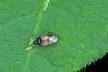
In New Zealand, rules are now in place which prohibit the movement of fruit and vegetables out of a controlled area in Mt Roskill, where the fruit fly was found. The controlled area has two zones – A and B. Zone A is a 200m zone, including 262 properties. Zone B covers a 1500m area, including 8,300 properties.
Zone A
No whole fresh fruit and vegetables, except for leafy vegetables and soil free root vegetables, can be moved outside Zone A. This applies to all produce, regardless of whether it was bought or grown.
Zone B
All fruit and vegetables grown within Zone B cannot be moved out of the controlled area.
A map of the controlled area, as well as a full description of the boundaries and rules in place, is available here.
Restrictions in place for at least four weeks
Biosecurity New Zealand says it is likely the restrictions will be in place for at least the next four weeks. Staff have been laying more traps and sharing information with local households and the community. Around 400 additional traps are being placed within a 1500m area of the original find.
"Legal controls are a critical precaution while we investigate whether further flies are present in the area. Should there be more out there, this will help prevent their spread," says Biosecurity New Zealand Commissioner North Mike Inglis.
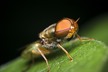
If it established here, the Queensland fruit fly could have serious consequences for New Zealand's horticultural industry. It can damage a wide range of fruit and vegetables and could lead to restrictions affecting our horticultural exports.
"We recognise that for people living in and around the controlled area, these restrictions can be inconvenient. But they're important, because following these directions protects our horticultural industries, home gardens, and our New Zealand way of life," says Mr Inglis.
For more information:
Vegetables NZ
Tel: +64 21 021 62021
Email: [email protected]
www.freshvegetables.co.nz