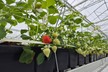
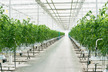
The considerable increase in strawberry acreage and production this season in Egypt has led to commercial complications, and exporters are still struggling to regain balance. This is according to Ahmed Wagih, CEO of Agri Green.
The grower says, "The massive influx of new growers and the increase in acreage resulted in an abundant supply at the start of the season, causing export prices to fall by nearly 30% compared to the previous season, especially in the Gulf markets. Prices then stabilized and returned to the same level as last season, but this is an underperformance because production costs have increased."
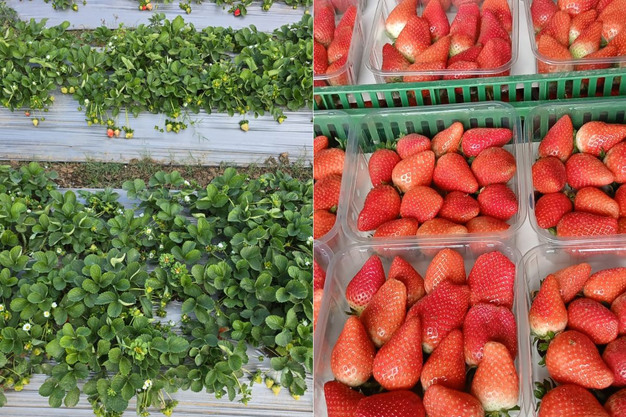 © Agri Green
The producer explains that the increase in production costs is also directly attributable to the increase in acreage. He adds, "The cost of renting land, labor, and agricultural inputs has increased due to high demand. I don't think this is sustainable, and the acreage of strawberries in Egypt needs to decrease next season in order to restore balance in the industry."
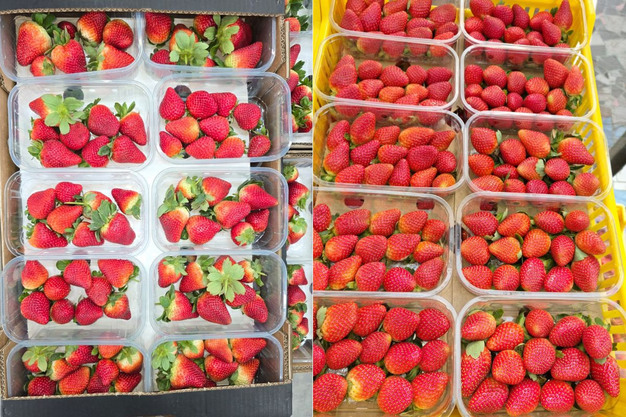
Egyptian strawberries arrived earlier than usual this season, as early as November, when producers rushed to be the first to market. This caused quality issues, according to Wagih. The season has also been marked by quality complaints and issues with compliance with MRL targets. The producer says, "Several new producers need time and experience to adapt to MRL lists and targets. In the meantime, buyers need to be selective in their sourcing."
 © Agri Green
Prices for fresh strawberries have remained stable since the beginning of 2026, according to the producer, which is a good sign for the rest of the season. He adds, "We are currently exporting the Sensation, Fortuna, Festival, and Brilliance varieties. Several markets are very active, such as the UK, Germany, the Netherlands, Russia, Kazakhstan, the Gulf countries, and others. The fresh strawberry export campaign remains strong, but we are seeing prices for frozen strawberries continue to decrease.
The season has seen the arrival of new players in the industry: strawberry processors for drying. Wagih said, "We are counting on them to support demand. However, their effect remains to be seen. They have not yet started operations, and many growers are not even aware that this processing method is now available in Egypt. This is a trial year, and we will see how things stand in a few weeks."
For more information:
Ahmed Wagih
Agri Green
Tel: +20 15 55584903
Email: [email protected]