India's coco peat supply holds steady for exports despite processing hiccups from heavy rains, says Krishna Patil of Maharashtra-based coir products export consultancy Krishna International Trade. "Availability is currently stable due to improvements in coconut processing infrastructure in South India. The raw material flow is better managed today than earlier, supporting both domestic consumption and export commitments."
According to Patil, this year's production is up 5 to 8% from last year, backed by better processing efficiency, mechanization, and planning by manufacturers who also cater to export requirements. He mentions, "Overall the supply looks balanced, but freight ups and downs, container shortages, and tight quality checks on EC, pH, and moisture are keeping Indian coco peat exporters on their toes. Having strong process controls is critical for converting domestic-grade material into export-consistent quality."
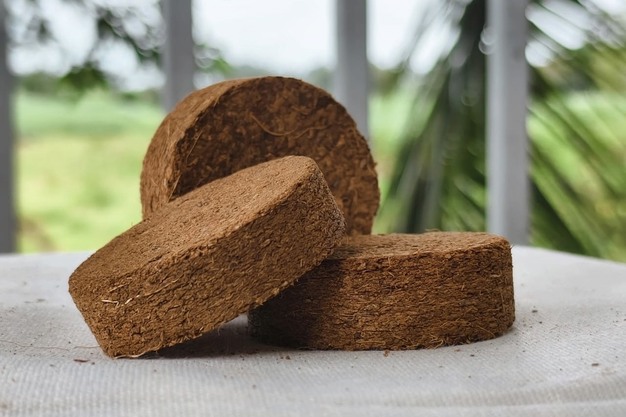 © Krishna International Trade
Patil's coco peat export markets include Europe, especially Spain, the Netherlands, and Italy, as well as the Middle East, including the UAE and Saudi Arabia. He explains, "These markets are in regular planting and restocking cycles, so demand remains steady rather than sudden. Importers are moving beyond spot deals to find partners for the long haul. On the domestic side, local buyers often run into uneven quality and do not fully get export specs, though more users are now aiming for export quality and standards."
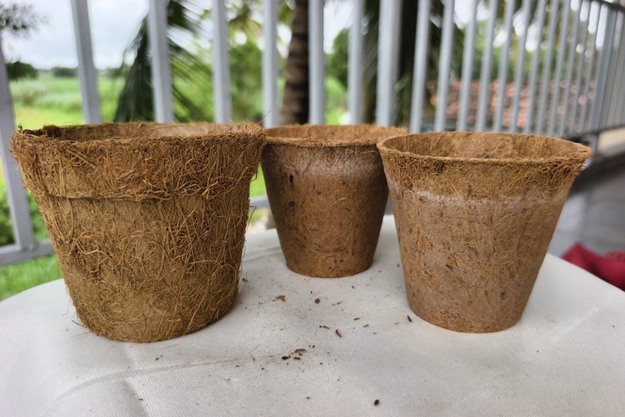 © Krishna International Trade
Sourcing coco peat is costlier currently, which Patil links to processing rather than demand. "Pricing is up to 10% higher in recent months mostly due to raw material shortages, higher logistics costs, slower drying from irregular rainfall over two years, and not because of a surge in demand. Even though demand remains steady, limited ready-to-ship material and longer processing timelines are putting upward pressure on prices in the short-term."
Looking ahead, Patil sees steady to rising demand in coming weeks and months as planting ramps up across key markets in Europe and the Middle East. "Prices may stay firm in the short-term due to ongoing processing delays and limited ready stock from extended rainfall patterns. Gradual stabilization is expected over the next one to two months. Once weather normalizes, production timelines and material availability should improve, leading to a smooth return to balance."
For more information:  © Krishna International Trade
Krishna Patil
Krishna International Trade
Tel: +91 97 30 26 88 52
Tel: +91 92 70 37 88 52
Email: [email protected]
www.patilinternationaltrade.com