Container selection plays a critical role in greenhouse crop performance, influencing root architecture, transplant success, and overall yield. Recent trials examining seaweed-based planting containers suggest that alternative, bio-based materials may offer both agronomic and environmental advantages compared to conventional plastic and peat pots.
Aaron Nesser of Keep Earth Company points to recent design and performance work conducted with Ocean Made as an example of how material innovation is reshaping horticultural inputs. "We often assume synthetic materials perform better than natural ones. This shows that with the right engineering, bio-based products can perform better."
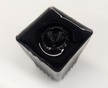
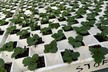
The containers evaluated in the trial, known as Kelp Pots, are manufactured from kelp fibers blended with organic matter. Unlike traditional plastic containers, the pots are porous and designed to degrade in soil. They were developed in collaboration with Fun Stuff Design and assessed through a 120-day comparative study led by Ocean Made CEO Emily Power.
Yield and root architecture outcomes
According to Aaron, the study compared Kelp Pots directly against plastic pots and peat-based biopots under controlled growing conditions. "We knew the seaweed pots to be nicer to the planet because they don't contain peat which is a non-renewable resource. But we didn't expect them to completely outclass the competition."
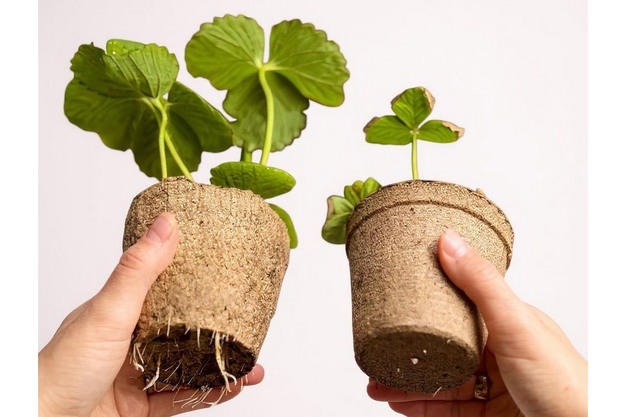
The trial results showed significant differences in crop output. Tomato plants grown in Kelp Pots produced approximately twice the yield of those grown in plastic containers and nearly ten times the yield of plants started in peat pots. He attributed the yield increase primarily to improved root development rather than above-ground growth differences early in production.
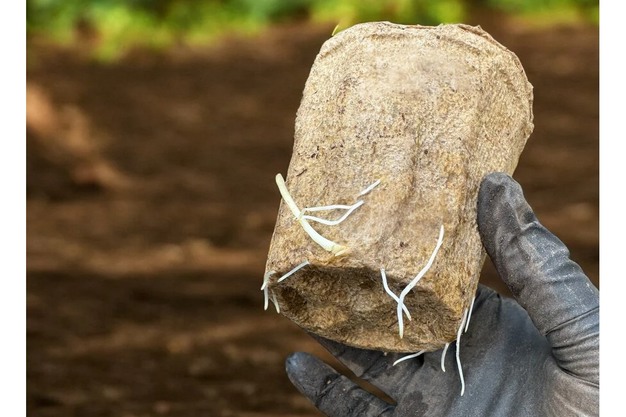
Root behavior varied markedly by container type. Plastic pots promoted root circling and binding, while roots in Kelp Pots penetrated the container walls and expanded outward. "Those roots sticking through is success. A bio-based planter pot that degrades when you need it to."
 © Ocean Made
Air pruning as a functional mechanism
Ocean Made attributes much of the performance difference to a process known as air pruning. The concept relies on exposing root tips to air, which causes them to desiccate and die back. This signals the plant to produce new lateral roots, resulting in a denser and more efficient root system.
"Plants didn't evolve to grow in plastic containers," the Ocean Made team explains in its technical materials. When roots encounter impermeable container walls, they tend to coil repeatedly, forming dense knots that restrict water and nutrient uptake. By contrast, porous containers allow air exchange and root penetration, triggering repeated cycles of self-pruning and regrowth.
Air pruning is already familiar to many greenhouse operators through fabric grow bags or slotted plastic containers. However, Ocean Made notes that biodegradable containers introduce an additional benefit: roots are able to transition directly into surrounding soil without removal at transplant.
"Kelp Pots are designed for roots to penetrate walls as they grow," the team states, "naturally air-pruning as the plant lives its life."
 © Ocean Made
Moisture management and transplant performance
One challenge commonly associated with air-pruning systems is moisture retention. Containers that allow constant air exposure can dry out rapidly, particularly during early seedling stages. Ocean Made reports that kelp fibers help address this issue through their natural gel-forming properties.
The material structure allows excess moisture to evaporate while retaining sufficient water to support young plants. This contrasts with peat and paper pots, which may dry unevenly or remain overly saturated.
As the pots soften in soil after transplanting, roots continue growing outward with minimal disruption. Aaron highlighted this feature as a practical advantage for greenhouse operations. "There's no transplant shock," he said. "The pot goes right into the ground and breaks apart."
Implications for greenhouse production
The study suggests that container material selection can influence not only sustainability metrics but also production efficiency and crop performance. Crops with aggressive or extensive root systems (tomatoes, peppers, brassicas, and leafy greens) were identified as particularly responsive to air-pruning conditions.
For greenhouse growers evaluating alternatives to plastic and peat, the findings indicate that bio-based containers can function as more than a sustainability substitute.
For more information:
Ocean Made
www.linkedin.com/oceanmade
oceanmade.co
Fun Stuff Design https://funstuffdesign.com
Keep Earth
Aaron Nesser
www.aanesser_agtech-gardening-material
https://keepearth.co