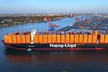
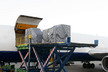
A new freight route linking northwestern China with Europe began operations with a train carrying hundreds of tons of agricultural seeds departing from Gansu province, underscoring the region's growing role in global farm supply chains. The train left the Jiuquan railway logistics hub on Dec 24, transporting 24 containers of vegetables and flower seeds bound for Italy and the Netherlands via China's western land-sea corridor.
Officials said the corridor shortens transport time and reduces costs compared with traditional routes, boosting the competitiveness of Chinese seed exports and supporting agricultural cooperation with countries involved with the Belt and Road Initiative.
In recent years, Jiuquan has expanded cross-border freight to the Americas, South Asia, and Central Asia while improving its trade environment. In 2025, six rail-sea intermodal trains carrying 101 containers of local products, including seeds and asbestos, totaling about 2,078 tons and valued at nearly 200 million yuan ($28 million), have reached more than 10 countries, including the Netherlands, Italy, and Uzbekistan, official data showed.
Jiuquan and neighboring Zhangye, along the Hexi Corridor, are key seed production areas in China, with local climate and geographic conditions supporting stable yields. Wu Duozhi, general manager of Zhangye Ruizhen Seed, said the company's 2025 export value reached about 18 million yuan, with the Netherlands as the largest market.
Read more at ECNS