During the first months of the year, many growers face small but persistent enemies that can seriously compromise the start of the cycle: red spider mite and other species of phytophagous mites. Their early presence, combined with favourable environmental conditions, turns these pests into a strategic challenge, especially in high value crops, according to Koppert.
 © Koppert
What is the red spider mite and why is it such a concern?
"Under the common name red spider mite, two spotted spider mite or two spot mite, among others, several mite species are grouped together, including Tetranychus urticae. These species are known for their high reproductive capacity and their ability to adapt to different crops. They are extremely small organisms that feed by sucking the cellular contents of leaves, weakening the plant from very early stages," Koppert explains.
Despite their small size, the damage they cause can be significant. "An infestation that is not detected in time can result in loss of plant vigor, a reduction in photosynthetic area and, as a consequence, lower yields and poorer fruit quality."
Behavior that works against the grower
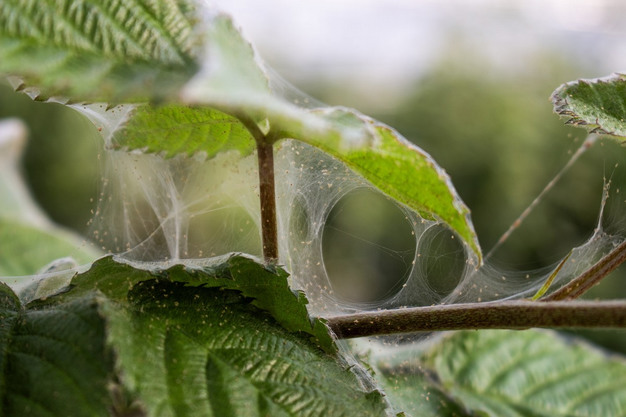
"Understanding the behavior of red spider mite is key to effective management. These mites tend to settle on the underside of leaves, where they are better protected and often go unnoticed during the early stages of infestation. There they form colonies and, in many cases, produce fine webs that help them spread within the crop."
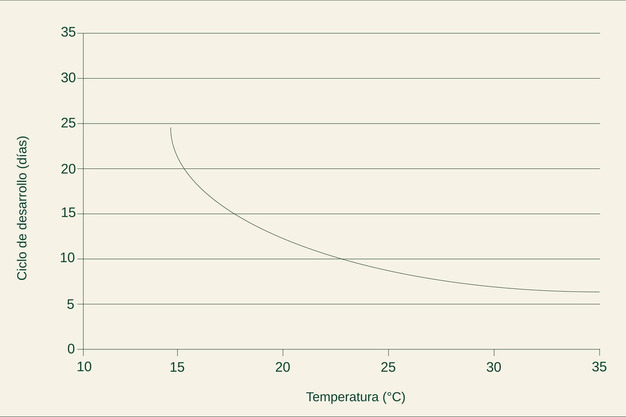
"Their life cycle is short and highly dependent on temperature. Under warm and dry conditions, which are typical at the start of the year in many production regions, their development accelerates, allowing several generations to overlap within a few weeks. This explains why population outbreaks can appear suddenly."
 © Koppert
Why the start of the year is critical
The first months of the agricultural cycle often coincide with young plants or regrowth phases. At this stage, crops are more sensitive to stress and any leaf damage has a direct impact on future development.
In addition, after winter or periods of lower activity, populations of endemic natural enemies are usually low. "This gives red spider mite an initial advantage, allowing it to establish itself without sufficient biological pressure to limit its growth."
Control challenges and the importance of prevention
One of the main difficulties in managing red spider mite is its rapid ability to develop resistance to chemical products when these are used repeatedly and without an integrated strategy. For this reason, early detection and constant monitoring are essential.
 © Koppert
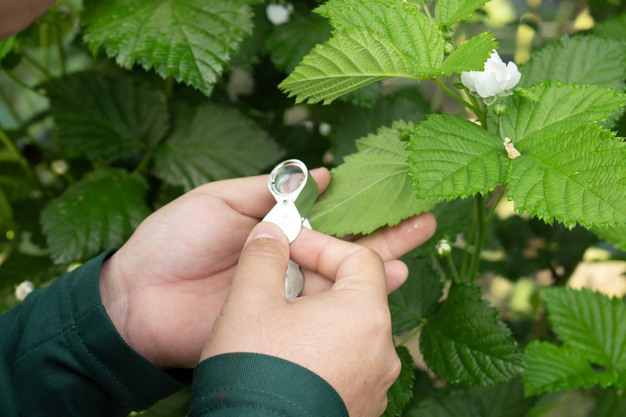
"Regularly checking the underside of leaves, especially along crop edges and in warmer areas, makes it possible to identify the first hotspots. Acting in time is what makes the difference between preventive management and an infestation that gets out of control."
"Understanding red spider mite opens the door to more sustainable strategies. Integrated management, combining monitoring, appropriate agronomic conditions and the use of biological solutions such as Spical and Spidex, makes it possible to keep populations under control without disrupting crop balance."
"For growers, the message is clear: the start of the year is a key moment to anticipate problems. With knowledge of red spider mite behaviour and a well planned strategy, crops can be protected from the outset and losses that only become visible at the end of the season can be avoided."
Small in size but large in impact, red spider mite is a reminder that, in agriculture, observation and prevention remain the most effective tools for pest control.
For more information:
Koppert Mexico
Cto el Marqués Norte #82
Parque Industrial El Marqués
76246 El Marqués
Querétaro, Mexico
T. +52 1 (442) 221 6149
[email protected]
https://www.koppert.mx