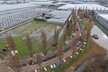
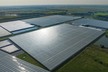
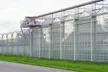
The Dutch municipality of Hollands Kroon says it can take formal enforcement measures against a large greenhouse that is now used entirely for solar power generation. Inspections showed that no crops are being grown in the 15-hectare complex. In addition, the electricity produced by the solar panels is not used to support greenhouse operations but is instead supplied directly to the public power grid.
According to reporting by the Noordhollands Dagblad (link in Dutch), the situation has become a point of debate among local politicians. A key issue is responsibility. It is currently unclear whether the former owner, who operated the greenhouse when the solar panels were installed, or the current property owner can be held legally accountable. The ownership change has made enforcement more complicated.
In response, Hollands Kroon wants to stop other greenhouses from being converted into solar-only facilities. The municipality is working on new regulations aimed at preventing this type of use. These proposals are expected to be submitted to the municipal council for approval later this spring.
The issue goes beyond Hollands Kroon. Nationwide, the use of solar panels on greenhouses has sparked growing debate. In several cases, projects have led to court proceedings between developers and municipalities seeking to enforce zoning laws and agricultural requirements. Hollands Kroon explicitly refers to these legal cases in a memo shared with its council.
Industry organisation Glastuinbouw Nederland is also regularly involved in the discussion around so-called solar panel greenhouses. The group argues that enforcement is necessary when greenhouses effectively function as power plants and crop production under glass is no longer possible.
At the Middenmeer site specifically, there are plans to develop an algae propagation facility. If realised, this could give the greenhouse a new role within the horticultural sector.