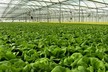
Vietnam, with more than 60% of its population living in rural areas, still relies heavily on traditional farming methods characterised by intensive resource use, low efficiency, and vulnerability to climate change. The circular economy offers new opportunities by using resources efficiently, maximising recycling and reuse, minimising waste, protecting the environment, and adding value. Science and technology play a decisive role—optimising resources, transforming by-products into assets, and boosting productivity and profits.
Across the country, localities are adopting technologies such as biotechnology, physicochemical methods, AI, and IoT to enable clean, closed-loop production, advancing sustainable agriculture and climate resilience. In the northern midlands, Red River Delta, and Mekong Delta, mechanised straw collection models for mushroom cultivation, livestock feed, and organic fertiliser have raised rice incomes by around 15% compared with traditional practices.
Meanwhile, provinces including Phu Tho, Hung Yen, Lao Cai, Tuyen Quang, and Ha Noi are developing circular beef and buffalo farming. Agricultural by-products are used for silage feed, cutting costs and raising efficiency by 10–15%. Livestock waste is biologically processed into organic fertiliser, closing the loop and generating economic benefits while protecting the environment.
Building on these successful local models, many enterprises are proactively engaging in circular agriculture, creating large-scale closed value chains.
Read more at Nhan Dan