Sign up for our daily Newsletter and stay up to date with all the latest news!

Subscribe I am already a subscriber

You are using software which is blocking our advertisements (adblocker).

As we provide the news for free, we are relying on revenues from our banners. So please disable your adblocker and reload the page to continue using this site.
Thanks!

Click here for a guide on disabling your adblocker.

Sign up for our daily Newsletter and stay up to date with all the latest news!

Subscribe I am already a subscriber

Under pressure: A year of fighting pests and detecting disease

Crop protection has remained a central focus for growers, researchers, and technology providers as they responded to persistent pest pressures, emerging diseases, and rising expectations around efficiency and sustainability.

From biosecurity breakthroughs and virus eradication milestones to advances in biological controls, diagnostics, and non-chemical interventions, the following stories reflect how the sector continues to adapt through innovation, collaboration, and improved monitoring to safeguard crop health and production continuity.
© Koppert Biological System

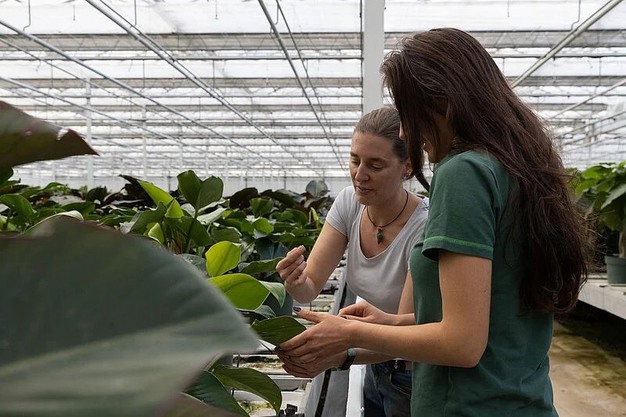
In order to maintain stock plants, root out cuttings, or ship high-quality trays at high volume, growing facilities observe a low-to-no tolerance policy for pests. Koppert BioSolutions enhance ROI by reducing plant stress and damage while improving workflow logistics. Growers have direct access to crops during treatments and no strategies are needed to avoid chemical resistance.

© Perfection Fresh Australia Pty Ltd.

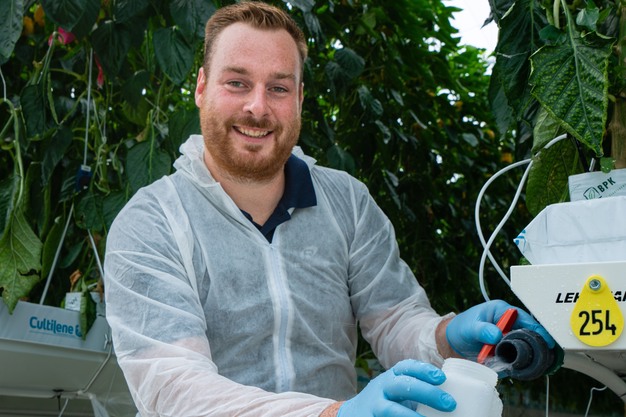
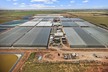
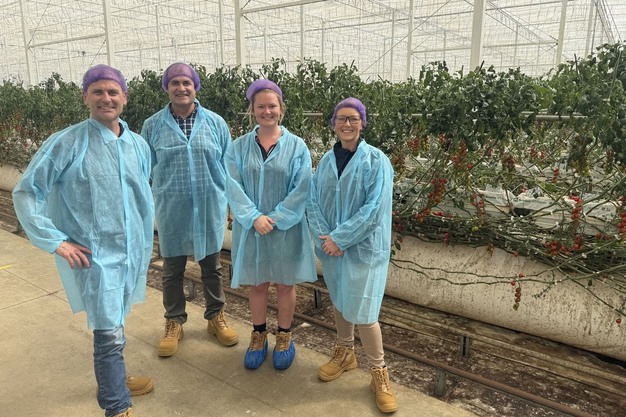
Today, October 3 2025, after more than a year, South Australia has been declared free of tomato brown rugose fruit virus (ToBRFV), paving the way for growers like Perfection Fresh to return to full trade across the Australian eastern seaboard.

© Ceragen

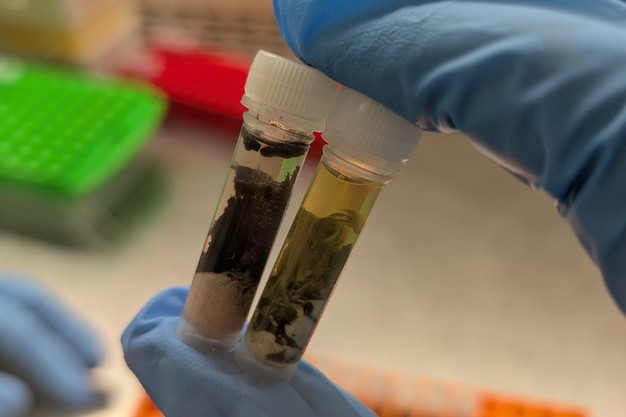
Greenhouse growers looking for more precise tools to monitor plant health and optimize production may find new value in DNA sequencing–based disease diagnostics. Ceragen, a Canadian agtech company, has launched a disease testing service based on high-resolution DNA sequencing, providing a comprehensive view of the microbial communities present in greenhouse samples.

© Koppert Biological System

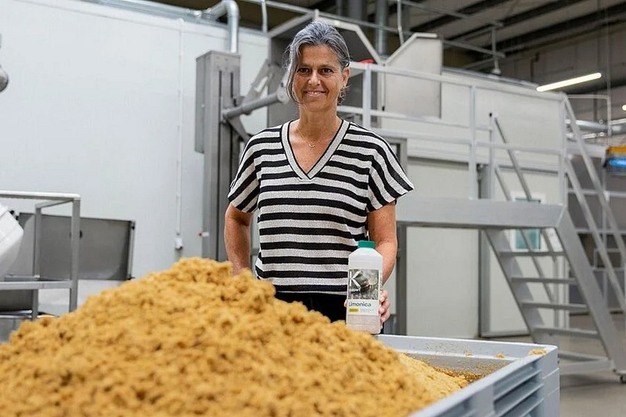
Innovation in biological crop protection is central to Koppert. A striking example of this is the successful upscaling of Amblydromalus limonicus, better known under the product name Limonica. This predatory mite is exceptionally effective against various insect pests, but is considered one of the most difficult species to produce. Thanks to a combination of in-depth knowledge, technical breakthroughs, and strategic collaboration, Koppert has succeeded in making Limonica available in commercial volumes. We are the only company in the world to do so.

© Spark Radar

Spark Radar develops tests that make life easier for growers who want fast answers. For example, the Radar Single Leaf Scan allows you to check one symptomatic plant for the presence of a virus or bacterium. For larger-scale monitoring, there's the Radar Multi Leaf Scan. This pre-symptomatic test can handle up to 100 leaf samples at once, helping growers catch infections before visible symptoms appear.

© The Rootstock Company

Although ToBRFV resistance in the rootstock may not be essential for every grower, rootstock specialist The Rootstock Company is seeing significant interest in this new product line. "Our demo in Berkel en Rodenrijs was well attended from start to finish. We received at least ten different nationalities" says Commercial Manager Arnoud Roozen. "Even though the heads were taken out weeks ago, I am still receiving requests for visits. And so far, 100% of those visits have resulted in trials with this new material."

© UF/IFAS

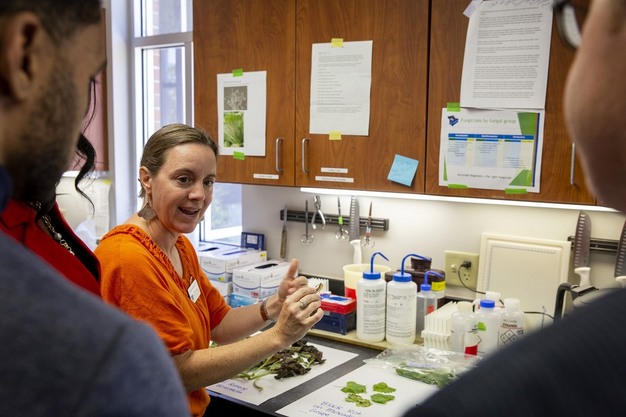
The University of Florida just made plant pathology history. Its Plant Diagnostic Center is now the first university-based lab in the nation to earn accreditation from the prestigious National Plant Diagnostic Network (NPDN) -- a recognition likened to receiving a "gold-medal seal of approval" for plant health.

© Roam Technology

"Effective greenhouse biosecurity starts with knowing what you can control and what you must keep out of the facility", says Jef van Gorp, Area Manager Benelux & Nordics at Roam Technology. "From routine cleaning and staff hygiene to water quality and crop rotation, small lapses can open the door to pests, pathogens and costly disruptions."

© Frutas Luna

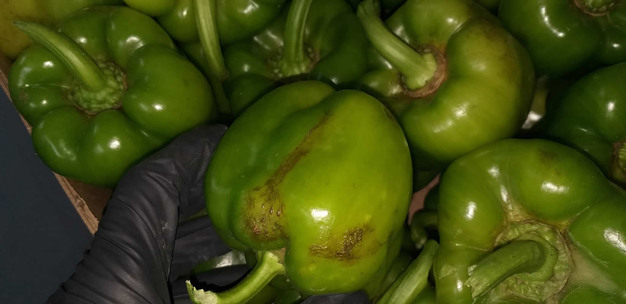
"But that also means that not only the plants, but also the cast of unwanted enemies continues to grow. This winter, we are really going to have a lot of problems with the thrips Parvispinus. Growers are already at their wits' end! There are no solutions for this yet; these thrips stay on the leaves, and every pepper that touches the leaves gets damaged (see photo below). So every crop has its problems."

© Hort Innovation

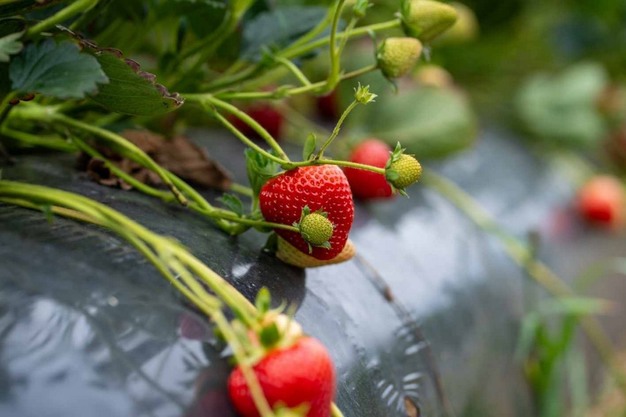
The four-year project, co-invested by Hort Innovation Frontiers and led by the Queensland Department of Primary Industries (QDPI), will test UV-C light applications across strawberries, capsicums, cucurbits, and table grapes. The study aims to assess the technology's potential to help growers reduce input costs and chemical use while maintaining effective crop protection.

Related Articles → See More