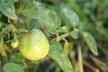
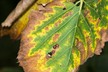
The widespread presence of the red spider mite (Tetranychus urticae) is a major plant health concern for the strawberry industry throughout the season. This pest, which feeds on plants, causes them to wilt. It inflicts significant damage and is difficult to control because it develops resistance to many acaricides.
"The strawberry crop is kept under plastic from November to May. The mild climate in Huelva's cultivation areas, combined with the greenhouse effect, favors the early establishment of this mite. During the first months of planting in October and November, the good climate allows the mite's population to develop from the start of the campaign," the RAIF stated.
Integrated pest management techniques are employed to control these pests, including the release of natural predators when environmental conditions permit. However, this approach sometimes requires supplementation with chemical acaricides, which must be obtained only after prior approval from the technical manager.
It is crucial to emphasize that, following repeated, abusive, or improper use of an active substance, the red spider mite can rapidly develop populations resistant not only to that specific substance but also to other agents with a similar mode of action.
Given that late autumn is an unfavorable period for releasing auxiliary fauna, the most effective strategy for managing initial outbreaks should be to prevent or delay the emergence of resistance to acaricides. To achieve this, rotating active substances with different modes of action is strongly recommended, in accordance with the label instructions for acaricide products.
To learn how insecticides work and to support resistance management for the responsible use of plant protection products, visit the Insecticide Resistance Action Committee (IRAC) Spain website, which technical specialists and scientific advisors manage.
Source: juntadeandalucia.es