Coco peat, derived from coconut husks, is gaining importance as a sustainable, biodegradable growing medium. However, its availability has significantly tightened in India and across major producing regions worldwide, says Santhanam Alagarsamy, Managing Director of Sai Substrates Pvt. Ltd and Sai Cocopeat Export Pvt. Ltd. "The supply crunch is driven by a sharp rise in global demand and weather-related disruptions that have delayed production," he explains.
"Many growers, nurseries, and hydroponic farms are turning to coco peat as an eco-friendly alternative," observes Santhanam. "Environmental restrictions on peat moss extraction in Europe and North America have driven a shift towards coco peat as a renewable resource. At the same time, prolonged rainfall in India and Sri Lanka has slowed down the drying process of coir substrates like coco peat and coco chips further limiting raw material supplies."
 © Sai Substrates Pvt. Ltd.
Despite these challenges, Santhanam reports that production at Sai Substrates has remained largely stable this year. "Having our own stock of dried coco peat material stocks allows us to monitor and predict our raw material supply accurately, which helps us maintain consistent quality and reliable delivery. As coconut growers ourselves, we can better forecast the availability and quality of the material, which gives us an advantage in handling market fluctuations." However, he admits that abnormal rainfall has caused intermittent delays.
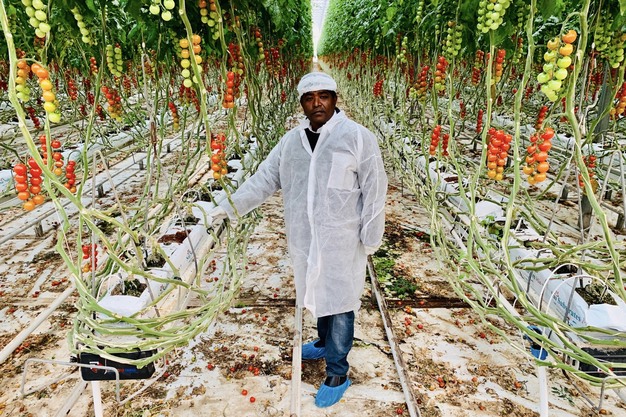
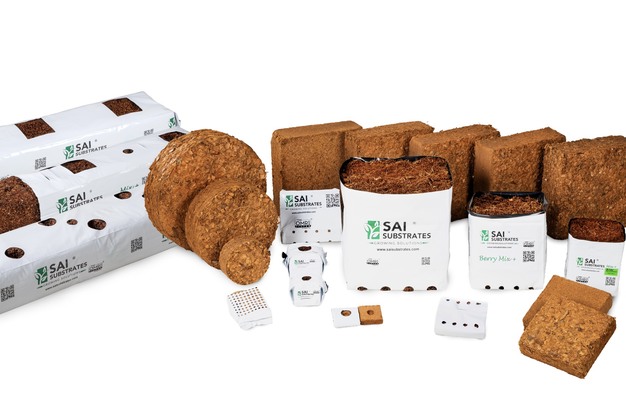
Santhanam shares that demand for coir substrates continues to grow strongly, especially within hydroponic systems and controlled-environment agriculture. "High-value crops such as tomatoes, bell peppers, blueberries, strawberries, and raspberries benefit significantly from coir substrates, with growers reporting improved root development, fruit quality, and yield stability. Being 100 percent biodegradable adds to the appeal for adopting sustainable farming practices worldwide."
 © Sai Substrates Pvt. Ltd.
However, many suppliers in India outsource parts of their operations, which can lead to inconsistent quality, grading discrepancies, and traceability issues. Santhanam acknowledges, "Monitoring production processes remotely remains a challenge. Many international buyers struggle to find fully integrated coir manufacturers that can ensure consistent quality, timely dispatch, and traceability."
Looking ahead, Santhanam anticipates the Indian coco peat market will stabilize early next year as rainfall subsides and supply normalizes. "Prices are expected to stabilize by the second quarter of 2026, by which time coconut farmers will see healthier harvests and better raw material supply. Overall, the cost of coconut-based products is trending downward."
For more information:
Alagarsamy Santhanam  © Sai Substrates Pvt. Ltd.
Sai Substrates Pvt. Ltd.
Tel: +91 96 00 947 010
Email: [email protected]
www.saisubstrates.com