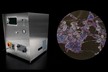
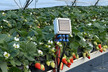
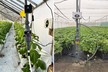
The reuse system for irrigation is helping protected vegetable production cut water use, save fertilizers, and improve nutrient management. In the Serra da Ibiapaba region, where groundwater extraction is costly and strains natural reserves, producers using this system improved water use efficiency by 61 percent. The method collects the nutrient solution that drains from pots, filters it through sand, disinfects it with UV light, and then recirculates it with the nutrients adjusted to crop needs. In grape tomato trials, this approach reduced water and nutrient losses that normally reach 30 percent, and raised efficiency from 11.5 to 18.6 kilograms of tomatoes per cubic meter.
The sand and UV system also removes pathogens. Tests with Fusarium spores showed complete elimination after filtration and sterilization. This lowered contamination risk across entire greenhouses and cut fertilizer use by 29 percent over a 180-day cycle, reducing nutrient costs by 24 percent. Although the initial setup costs more, ongoing expenses drop because producers use less fertilizer and less energy to irrigate.
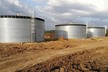
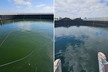
To expand the benefits, researchers linked the reuse system with rainwater harvesting from greenhouse roofs. Stored rainwater, combined with reused solution, supplied enough water for two full production cycles in a 2,500-square-meter greenhouse thanks to its low salinity. Since 2025, Forteagro has used the technology in hydroponic leafy greens to promote sustainable, resource-efficient production. The model limits improper wastewater disposal, protects aquifers, and supports a more resilient and environmentally safe vegetable supply chain.
Read the full article at CPG