On 10 November, the Global AgroVet Research Conference (GARCX 2025), powered by ARCC Journals, hosted a panel discussion on sustainable agriculture, food, and soil health at Dusit Thani Dubai. The session brought together experts in soil science, regenerative agriculture, and arid-climate food production to examine what drives healthy farming systems in some of the world's most challenging environments.
Moderated by Daria Shchurik, Head of Growth at Greeneration vertical farm, the panel featured Farah Chakhachiro, Vice President at Gracia Group, Dr. Bhaskar Rao, Agriculture Consultant for the GCC, Ahmed Ali Obaid Alhefeiti, Founder of Wadi Dafta Plantation, and Dr. Gurbachan Singh, Founder of GSFRED.
The discussion focused on a shared idea: sustainable agriculture begins with the condition of soil, the quality of water, and the awareness of the communities working with them. Each panelist contributed insights from different agricultural models, creating a unified perspective on how the UAE and the wider region can protect their food future.
A key theme was the shift from farming measured only by production volumes to approaches that prioritize soil vitality, nutrient-rich crops, and long-term ecosystem balance. Panelists noted that simple indicators such as organic matter, soil structure, biological activity, and moisture behavior give farmers a quick understanding of soil health even without advanced laboratory testing.
 © Greeneration
The conversation also covered how arid regions adapt. Examples included integrating composting, grafting, organic fertilization, salinity management, and careful water reuse into daily operations. These practices help farms cope with heat, limited water, and difficult soils while improving land resilience. Experiments with diverse plant varieties, from regional crops to global species, show that adaptability grows when farmers use both science and local knowledge.
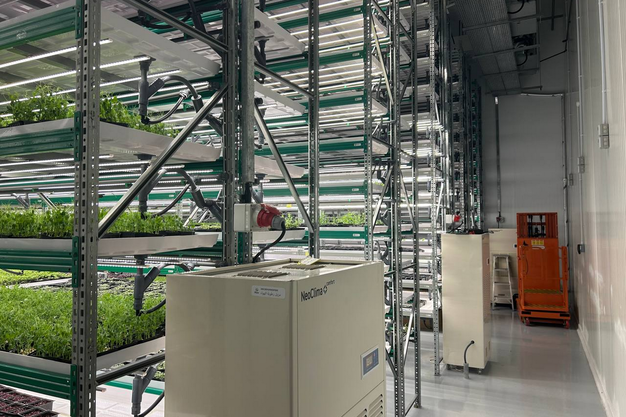
Another point raised was how controlled-environment agriculture fits into this landscape. While hydroponics and indoor systems offer precision and water efficiency, the panelists agreed that they do not replace soil. Instead, technology and soil-based systems complement each other. One protects specific crops from climate extremes, while the other supports biodiversity, microbial life, and landscape health.
Throughout the discussion, panelists stressed the importance of shifting public mindsets about food and farming. Encouraging students, families, and urban consumers to understand soil function and resource limits was described as essential for long-term sustainability. Awareness, they noted, is as important as innovation.
The panel closed with a clear message: the future of agriculture in arid regions depends on regenerated soils, efficient water management, diversified crops, and technology used with intention, not as a replacement for ecological foundations. Strengthening these pillars today is key to building food systems that can remain stable under increasing climate pressure.
For more information:
Greeneration
[email protected]
www.greeneration.ae