The vegetable export season is gaining momentum in the Spanish province of Almeria as the supply grows, and European retailers are already almost entirely focused on their Spanish programs. In this context, all eyes are again on Thrips parvispinus due to its impact on pepper production, which is proving to be more severe this season.
Since Thrips parvispinus was first detected in Almeria in 2020, it has been spreading to more and more pepper plantations. "In the 2024/2025 season, there was a significant reduction in the supply of quality peppers, and this year the impact is expected to be even greater due to the lack of effective solutions to combat this pest," says José Antonio Baños, president of the Ejidomar cooperative.
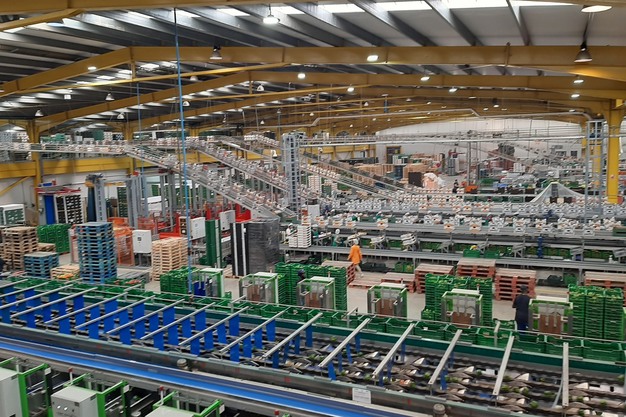
"As a result, we are seeing a reduction in the yield and availability of quality peppers. While around 85-88% of the peppers in our plantations are usually first class, last season this percentage was reduced to around 75%, and this year, it could go down to 60%," says Baños.
The area devoted to peppers in Almeria has been slightly reduced compared to last year. In Ejidomar's case, the pepper production, its main product in terms of volume, is expected to drop, while that of cucumbers is going to increase.
The average price of peppers was high in the 2024/2025 season and, according to the cooperative's president, that helped compensate for the lower production. "So far, this year's pepper season is starting later because of the later planting due to the fear of the virus, and the prices of first-class peppers are high because supply is still limited. The price of first-class peppers is expected to follow an upward trend."
It is worth recalling that Almeria is the main supplier of bell peppers in the fall and winter months, as other Mediterranean producing countries, such as Morocco, focus more on tomatoes, while Turkey generally produces other varieties.
 For more information:
José Antonio Baños
Ejidomar
Carretera de Almerimar Km. 1
04700 El Ejido, Almería. Spain
Tel.: +34 950 48 35 11
[email protected]
www.ejidomar.es/