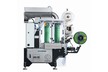
Worldwide, an estimated 40% of all fruits and vegetables is never consumed. An enormous waste of food, water, land, and energy. Often, this waste occurs because the product quality doesn't meet specifications, somewhere in the supply chain — during transport, storage, or in stores. But what if you could know the exact quality of every single fruit or vegetable before it even begins its journey? Neolithics is working on that solution.
Startup Neolithics — one of the winners of the AI & Robotics in Agriculture Demo Day organized by Brightlands Campus Greenport Venlo and EIT Food — developed a solution that can fully automate the measurement of both the internal and external quality of fruits and vegetables, without damaging the products.
Looking inside products without cutting them open
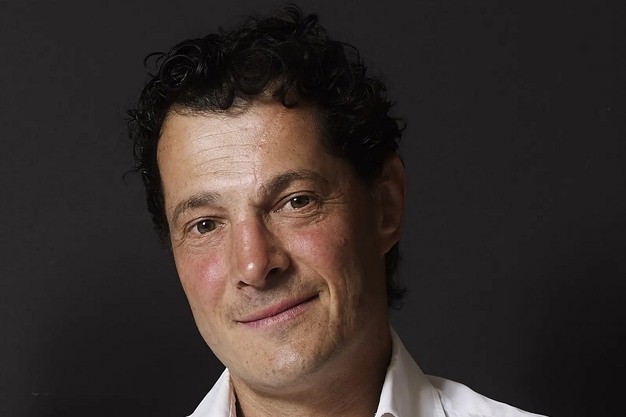
While quality inspections in the sector are still largely manual, and in small samples, Neolithics offers an alternative that is much more accurate and faster. David Kat, Business Developer at Neolithics, explains: 'Right now, for example, only three to five avocados per thousand kilos are inspected. The (subjective) assessment requires cutting, and the product is destroyed. Still, these aren't representative samples. We fully automate inspections, so that every single piece of produce can be checked without being touched by hands.'
 © Brightlands
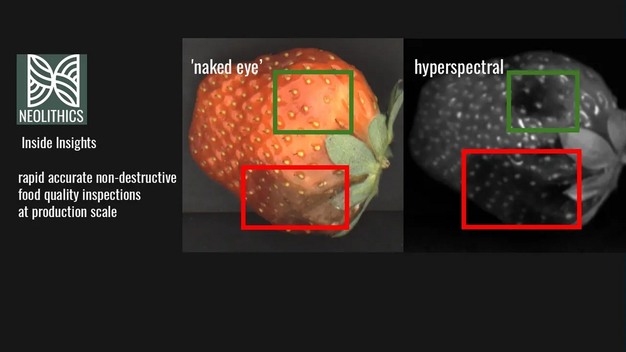
Neolithics inspects with a unique combination of hyperspectral light and regular RGB video. Hyperspectral* light penetrates up to one and a half centimeters into the product, revealing properties such as brix (sugar content), acidity, firmness, and early internal decay — even before it is visible on the outside. The RGB camera records the visual characteristics. Merged, they create an integral quality check of each product, which can be achieved for the entire stock.
Faster than a human lifetime
While a human inspector checks about 300 kilos of blueberries per year, Neolithics' innovative technology inspects 6 kilos per minute, with a tabletop device. In other words: it performs more inspections in one hour than a person could do in a full year. For avocados, the technology inspects 8 tons per hour on the sorting line. Entire product streams can be analyzed this way, graded and sorted.
 © Brightlands
The measurements are instantly analyzed using artificial intelligence, trained on reference examples from (already) twenty types of fruits and vegetables. Every single fruit used in the training data was first scanned, then manually cut open and assessed, enabling the AI to assess exactly how internal quality correlates to what the cameras see. New models can therefore be built in a single day.
Less waste, better prices
With their solution, Neolithics aims to tackle food waste worldwide. A grower or trader can, for example, decide which blueberries are suitable for a long boat trip to Europe and which are better sold locally. This prevents products from being unnecessarily rejected or discarded upon arrival.
David: 'If you can measure quality at multiple moments along the chain, you can intervene before things go wrong. You prevent waste while also improving prices for both farmers and consumers. The food system's inordinate food loss is currently factored into prices.'
A transparent food system
Neolithics is currently working with innovative players in the blueberry and avocado supply chains in South America, in the US, and in the Netherlands. Their ambition for the coming years is clear: every product should be traceable from harvest to shopping basket — with quality data included.
With better data, says Neolithics, growers can harvest smarter, logistics providers can optimize cooling, retailers can make better purchasing decisions, and consumers can receive better products. David: 'We want to make the food system more efficient, fairer, and more sustainable. Not through revolutions, but through proven technology and by building trust step by step. The food supply chain of the future will bring a more consistent product and a better user experience.'
Source: Brightlands