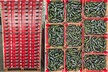
Tomato prices in Pakistan have started to decline after steady imports from Iran helped balance domestic supply shortages that had pushed rates to record highs of Rs600–700 (US$2.15–2.50) per kilogram. The recent flooding and heavy rains in Punjab damaged local crops, while daily arrivals from Swat dropped to 20–30 truckloads from a typical 150–200. In contrast, Sindh's crop remains largely unaffected, with new supplies expected to enter the market between November and February.
According to traders, Iranian tomatoes are now selling for around Rs200 (US$0.72) per kilogram in Karachi, down from Rs560 (US$2.01) per kilogram a week earlier. The price drop follows consistent imports from Iran and limited domestic arrivals from Sindh and Swat. However, market participants cautioned that shortages could reappear by March or April 2026 if adverse weather continues to affect crop recovery.
Punjab is currently dependent on tomato shipments from Swat and Iran, with 70–90 trucks entering daily from Iran. Each consignment reportedly takes five to six days to reach Punjab's wholesale markets.
Waheed Ahmed, patron-in-chief of the Pakistan Fruits and Vegetables Dealers Association, said that floods and temporary border closures have disrupted supply routes from Afghanistan and Balochistan. He suggested that additional imports could help maintain market stability. "The government can temporarily reduce or eliminate import duties on tomatoes, as was done for onions during shortages," Ahmed said.
Traders expect prices to remain stable through February if import routes with Iran stay open and domestic weather conditions allow for uninterrupted planting and harvest cycles.
Source: Profit