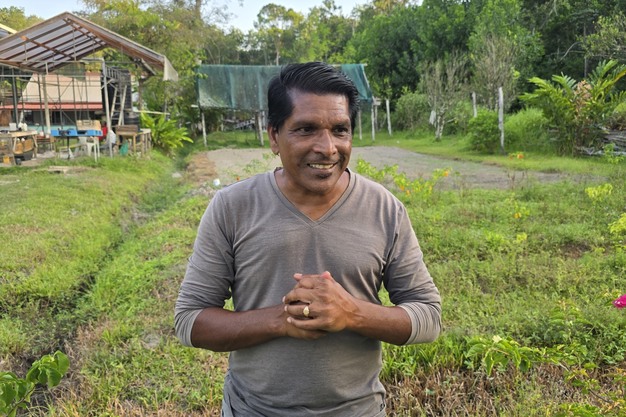
"Why keep importing cauliflower from the U.S. when I can supply it here for a third of the price?" asks Surinamese grower Rakesh Jhagroe. "I can deliver it fresh from my own soil for SRD 90 (€2). That's a price at which the grower can earn a decent income, while supermarkets and consumers also pay less than in the current situation. Still, there's work to be done, as retailers demand continuity of supply and international quality standards."
 © Pieter Boekhout | HortiDaily.com
Rakesh sets himself the mission of making vegetable imports redundant by growing locally what currently comes from afar
More broadly, Rakesh has set himself the mission of making vegetable imports unnecessary by cultivating locally what now comes from far away. Supermarkets such as Choice and Tulip have already shown interest: if Rakesh can guarantee a consistent supply, they are willing to significantly reduce their import volumes.
Changing eating habits
Demand for cauliflower, broccoli, Dutch cucumbers, and other "Western" vegetables has risen sharply in recent years. This is partly due to Surinamese who have returned from abroad, but also to the growing number of expats in the oil and gas sector. "They're looking for the vegetables they know from home," Rakesh explains. "And I want to provide them with that, fresh, local, and affordable."
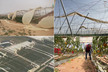
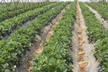
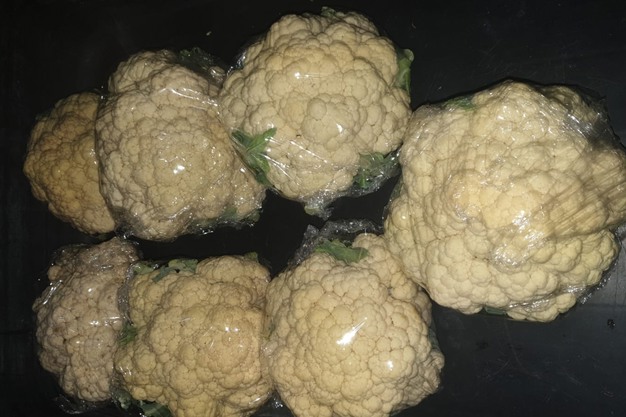
Growing cauliflower in the tropics is no easy task. Rakesh currently cultivates in open fields but is already in the process of importing a greenhouse from China. For this, he is receiving advice from Dutch cauliflower grower Bas Slagter. "We're experimenting with different varieties to see which ones can handle the rainy season well," he says. "Some varieties simply rot if it gets too wet."
 © Eigen foto Rakesh
On the way to certification
To supply his cauliflower to supermarkets, Rakesh is working towards obtaining GlobalG.A.P. certification. This international standard sets strict requirements for food safety and sustainability, among other things. "I have to reorganize my entire plot, but it's worth it," he says with determination. His goal is to be certified early next year. At that point, he hopes to agree on contract prices for three-month periods, ensuring continuity and stability for buyers, even if the dollar exchange rate, and therefore the cost of agricultural inputs like fertilizers, rises during that time.
Cauliflower as second trump card
Although cauliflower is his flagship crop, Rakesh also has his eye on other products, such as lemongrass. "It's easy to grow, you can harvest it every three months, and there's always demand for it," he explains. Lemongrass is used as a seasoning in dishes and can also be made into tea. It's a popular ingredient in Surinamese cuisine.
For more information:
Rakesh Jhagroe
Kashmirstraat 82
Paramaribo (Suriname)
Tel: +597 863-7282
[email protected]