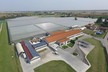
The upcoming Egyptian strawberry season has been preceded by a significant increase in acreage, taking production forecasts to historic levels. However, it appears that growers' enthusiasm for the fruit has not been matched by an adequate supply of seedlings. Khalid Albana, CEO of Legacy Farm for Strawberry Production and Export, provides an update on the situation.
 © Legacy
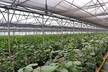
Plant losses are not related to climatic conditions, according to Albana: "This strawberry season in Egypt is benefiting from generally favorable agronomic conditions, including optimal temperature, relative humidity, and photoperiod, which foster robust vegetative growth, flowering, and fruit set. Advanced cultivation practices, such as precision irrigation, fertigation, and careful soil management, further enhance the plants' resistance to environmental stress factors."
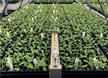
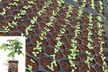
However, growers have encountered difficulties in sourcing quality seedlings, the grower adds. He explains: "The biggest challenge this season is the quality of imported seedlings. A substantial proportion of these seedlings exhibits reduced vigor and high mortality, which not only increases the vulnerability of crops to emerging diseases, but also increases operating costs, including replanting and intensive pest and disease control measures." Albana points out that plants from one specific origin are most affected by the reported poor quality.
 © Legacy
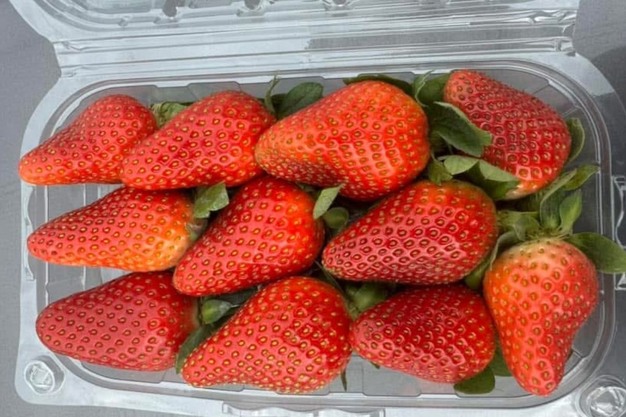
The damage in terms of lost volume and delays will be significant, according to many growers. Albana confirms, "Expected strawberry yields this season depend heavily on the quality of the plants and overall crop management. Weak seedlings and high mortality rates lead to reduced planting density, uneven fruit development, and lower overall production. Affected growers are attempting to replant. While successfully planted fields are about to bear fruit, replanted areas will see a slight delay. In addition to affecting productivity, these challenges impose significant additional costs, particularly for replanting and intensified disease and pest control, which strain growers' operating budgets and reduce the economic viability of the season."
It is still possible to mitigate the risk, the grower says. "Strict adherence to phytosanitary protocols, continuous field monitoring, and meticulous crop management are essential to preserving plant health and ensuring a stable and productive season. Achieving stable yields and high-quality fruit requires an integrated management strategy, including the deployment of high-quality plants, precise agronomic operations, and strict enforcement of phytosanitary protocols. We hope this will result in consistent, market-ready production and solve the problem of poor-quality plants," AlBana concludes.
For more information:
Khaled Albana
Legacy Farm for Strawberry Production and Export
Tel: +20 10 63973279
Email: [email protected]