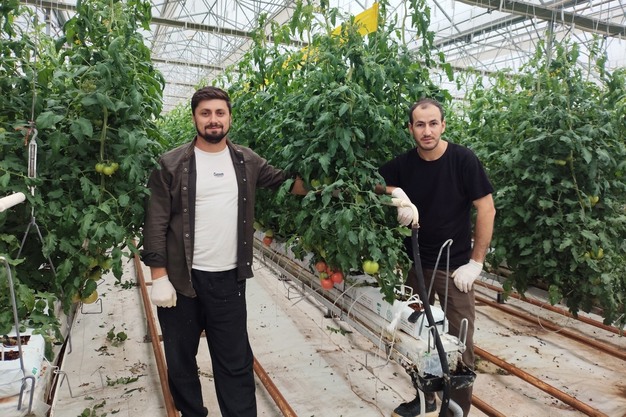
Located in Azerbaijan, Geothermal Agro LLC is focused on tomato cultivation with its 13-hectare greenhouse heated by geothermal energy, powered by a soilless cocopeat system, and led by a team focused on smart resource use, yield maximization, and virus management.
"We see every tomato as the result of a year's worth of hard work," say Elikram Mustafazade and Seymur Mamedov, project leaders at Geothermal Agro. "From climate control to crop techniques, it's all about growing smarter."
 © Geothermal Agro LLC
Heating from the earth: The power of geothermal energy
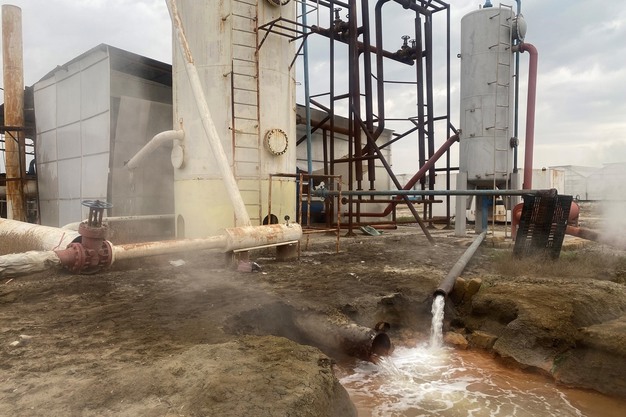
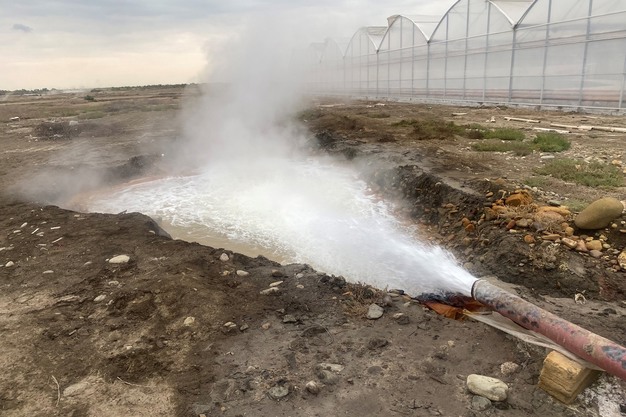
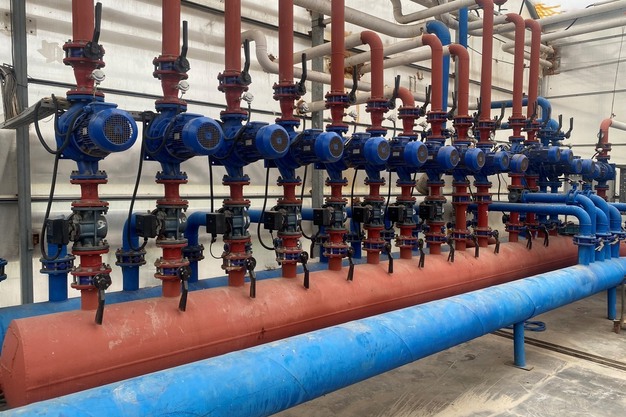
At Geothermal Agro, heat doesn't come from fossil fuels or electric boilers. It's drawn directly from the Earth. Hot water and steam reaching 75–80°C are extracted from underground and distributed across the greenhouse via insulated steel piping. This not only maintains a stable microclimate but also cuts energy costs by up to 50%, a significant gain for energy-intensive winter production.
"This model integrates energy, water, and resource management," Elikram explains. "It ensures both economic and ecological sustainability, while reducing dependency on imported energy sources."
Looking ahead, the company plans to convert excess geothermal heat into electricity and install energy storage systems, hoping to further amplify the system's self-sufficiency and reduce its carbon footprint.
 © Geothermal Agro LLC
Grafting innovation: The double stem-pinched method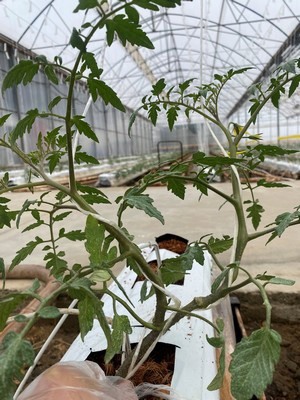 © Geothermal Agro LLCElikram shares that they have adopted the Grafted Tomato Double Stem-Pinched method, a practice that uses plant physiology for yield gains.
"Each tomato plant is grafted with two plants, developing two stems," he explains. "The combined strength reinforces both root and stalk systems, improving nutrient uptake and enhancing resistance to disease, especially TBRFV."
Photo right: the double stem pinched method
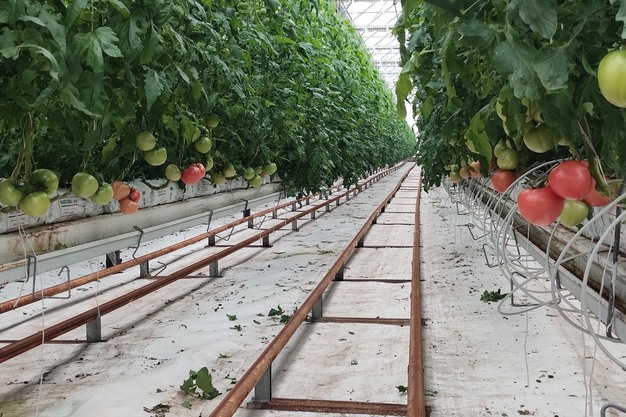
This method also optimizes space and labor by doubling productivity per plant footprint. When paired with cocopeat substrate and drip irrigation, the system ensures high oxygen levels in the root zone and precise nutrient delivery, reducing both water use and pesticide dependency.
Managing climate and risk automatically
Maintaining optimal conditions inside a greenhouse heated by geothermal water requires careful monitoring. "Daytime temperatures are held between 22–27°C, while nighttime temperatures drop to 13–15°C, with humidity controlled at 70–85%."
To ensure this precision, Geothermal Agro relies on real-time climate sensors and intelligent automation software. "This technology prevents plant stress," he elaborates, "keeping both the quality and quantity of our tomatoes consistent, regardless of outside conditions."
 © Geothermal Agro LLC
Viral vigilance and seasonal challenges
Despite its advanced setup, the greenhouse faces familiar challenges, especially during winter.
"Hot water can stress plants if not properly regulated," Dr.Rasim Mammadov, another co-leader of the project, notes. "And of course, TBRFV requires continuous vigilance."
To mitigate risks, the team enforces strict sanitation protocols: disinfection of tools and substrates, protective clothing for workers, and immediate removal of any infected plants. Automated systems regulate temperature precisely, ensuring that geothermal heat never becomes a liability.
"It's all about consistency. Even a 1–2°C fluctuation can impact yield or disease resistance. That's why we invest heavily in both training and tech."
 © Geothermal Agro LLC
Market dynamics: Quality-driven export and local supply
Geothermal Agro's tomatoes primarily head to the Russian market, where consumers are increasingly demanding pesticide-free, flavorful, and fresh produce. The company is also seeing growth in the local Azerbaijani market, where buyer expectations around consistency and quality continue to rise.
"Consumers notice the difference," Elakrim says. "They care about freshness, appearance, and healthiness, and that pushes us to maintain our standards year-round."
To meet growing demand, the greenhouse team is targeting a 10% production increase this year.
 © Geothermal Agro LLC
Sustainability throughout
Under the leadership of Elikram Mustafazade, Seymur Mamadov, Dr. Rasim Mammadov, and Novruz Askerov, Geothermal Agro focuses on eco-efficient, scalable greenhouse agriculture in their energy-rich regions.
With plans for on-site energy conversion, ongoing research and training, and a clear focus on climate-smart horticulture, the company is positioning itself at the intersection of food security, renewable energy, and agronomic innovation.
"Our goal is to contribute to the 2050 Carbon Neutrality strategy," Elikrim concludes. "But just as importantly, we want to show that greenhouse growing can be both profitable and sustainable if done right."
For more information:
Elakrim Mustafazade, Project Leader
[email protected]