Du Roi Halls Nursery, an extension of Du Roi Nursery (focused on the South African citrus industry), has steadily expanded its focus to include avocado propagation. Today, the nursery plays a key role in advancing greenhouse technology, improving biosecurity practices, and enabling scalable, high-quality plant production for growers across Africa.
Based in Mbombela (Nelspruit), Du Roi Halls is advancing the techniques of how avocados are grown, from propagation science to phytosanitary practices, ensuring growers across Africa and beyond have access to disease-free, genetically consistent trees.
Kobus Eloff, General Manager of Du Roi Halls Nursery, shares that Du Roi Halls Nursery originated from Du Roi Nursery, which is the citrus-focused arm of the ANB Group. As South Africa's avocado industry grew, the nursery identified a major bottleneck: a six- to eight-year waiting period for commercial avocado trees.
"There was a real gap in the market," he explains. "We saw the opportunity to bring our propagation expertise to the avocado sector, and to do it at scale."
Unlike citrus, which mutates on the branch, avocados mutate through their fruit. This makes seed-based propagation unreliable, requiring clonal propagation techniques to ensure genetic consistency.
 © Du Roi Halls
Propagation: A four-stage system
Du Roi has a multi-stage controlled environment system, combining precision environmental control with fertigation and sanitation protocols.
First in the process is their high-care facility to ensure biosecure germination. Seeds are germinated in a high-care facility where temperature, humidity, and pest control are meticulously managed using fogging systems, light screens, and Netafim's NMC Climate Pro controller.
"We're in a warm, low-humidity region," Kobus shares. "We've had to create the ideal microclimate, including heating in winter nights and fogging for water efficiency."
Each seed acts as the energy engine for the entire tree's lifecycle, getting grafted rootstocks and scion material at a later stage. Hence the importance of early-stage care.
 © Du Roi Halls
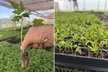
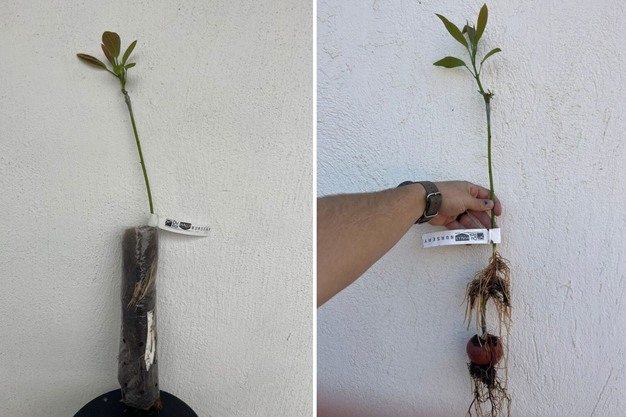
Second in line are their etiolation chambers with total darkness, and total control. Once germinated, plant material moves here where it's kept in complete darkness to stimulate root development.
"It's like a dark room for plant propagation. Temperature and humidity must remain within a 2° margin at all times."
Manual application of rooting hormone, paired with tightly controlled environments, ensures optimal clonal rootstock formation.
 © Du Roi Halls
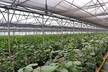
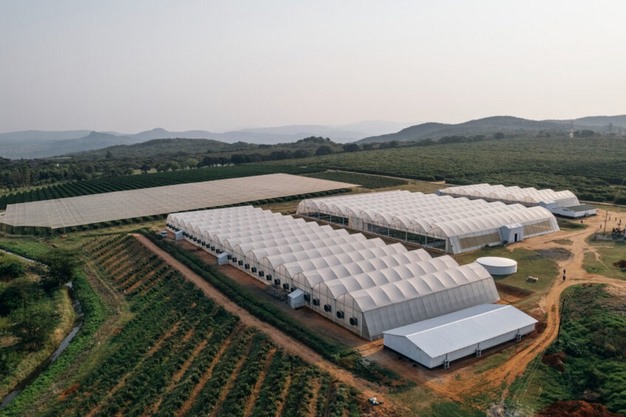
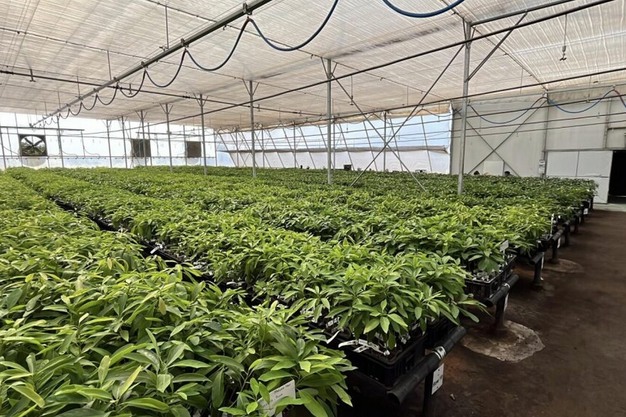
In the plastic greenhouse phase, young plants are moved into plastic-covered structures designed to support light exposure, fertigation, and gradual acclimatization. These greenhouses feature misting systems and climate-responsive curtains to keep internal temperatures below 35°C during the summer months, with all environmental conditions centrally managed through the NMC control system.
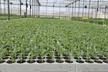
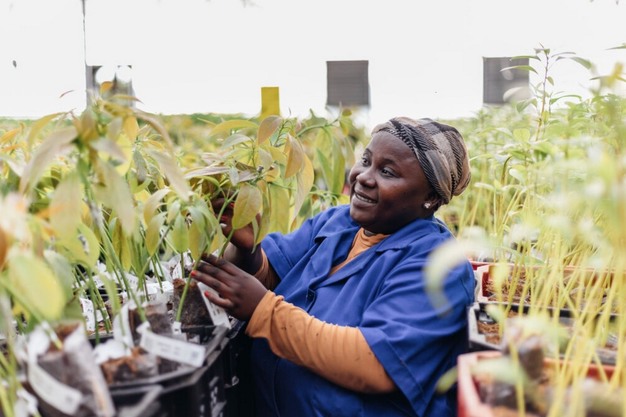
The final stage of propagation takes place under 15% shade netting, where trees acclimatize to outdoor conditions before shipment to growers. "They need to harden off before being exposed to the harsh conditions of the field."
 © Du Roi Halls
Compact trees, continental reach
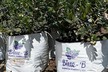
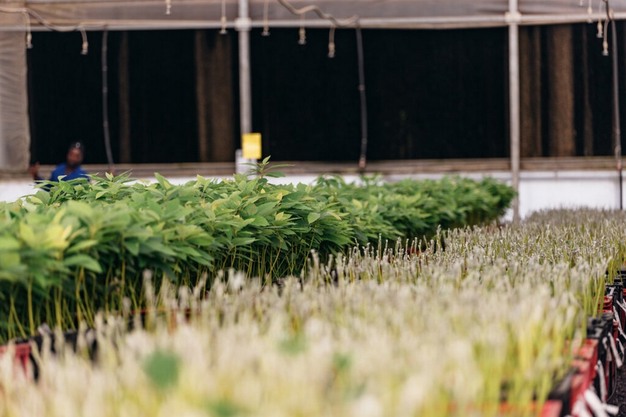
One of Du Roi's standout achievements is the miniaturization of clonal trees for transport.
"In the past, the norm would be around 3,000 trees in a cooling truck," Kobus notes. "Today, we can send 30,000 clonal trees per load, a tenfold increase."
This development has opened new doors for smallholder and commercial growers across Africa; from Mozambique to Morocco, and from Zimbabwe to Egypt.
 © Du Roi Halls
Biosecurity at its core: Leading the fight against ASBVd
Alongside innovation in propagation, Du Roi Halls has made biosecurity a priority in its operation, particularly in combating Avocado Sunblotch Viroid (ASBVd)—a disease with no known cure that spreads via infected plant material, seed, pollen, and even pruning tools.
Key measurements that the team has incorporated include annual testing of every single source tree (more frequent than the regulatory three-year requirement). They also do random year-round tests for early detection. "Root-zone barriers and ditches are developed between every 12 trees in genetic blocks to prevent cross-contamination, and we have dedicated seed orchards surrounded by non-avocado crops to minimise risk of pollen transfer."
Du Roi sources seed only from trusted international suppliers and tightly controlled local orchards. With over 12,000 avocado trees under management, their sanitation protocols are among the most stringent in the southern hemisphere.
"These measures aren't just about compliance," Kobus says. "They're about safeguarding the long-term sustainability and global reputation of South Africa's avocado industry."
With its 5-Star accreditation from the Avocado Nurseryman's Association, and certification from the South African Avocado Growers Association (SAAGA), Du Roi Halls Nursery is the backbone of countless productive orchards across the continent.
For more information:
Du Roi Halls Nursery
Kobus Eloff, General Manager
[email protected]
duroihalls.co.za