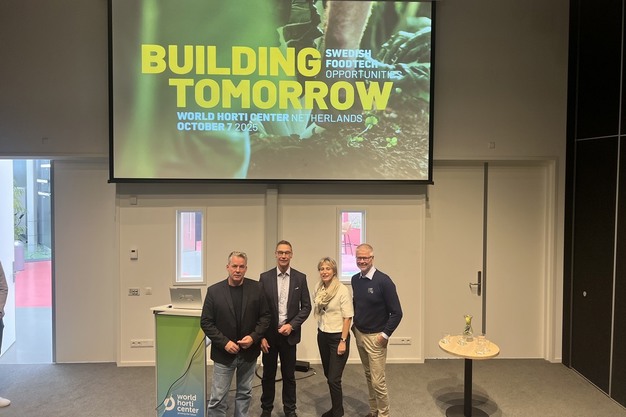
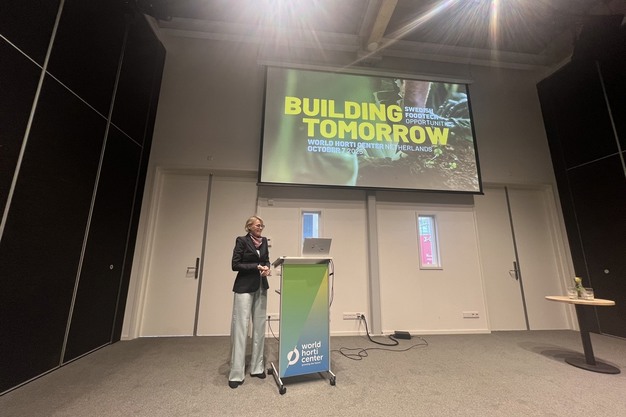
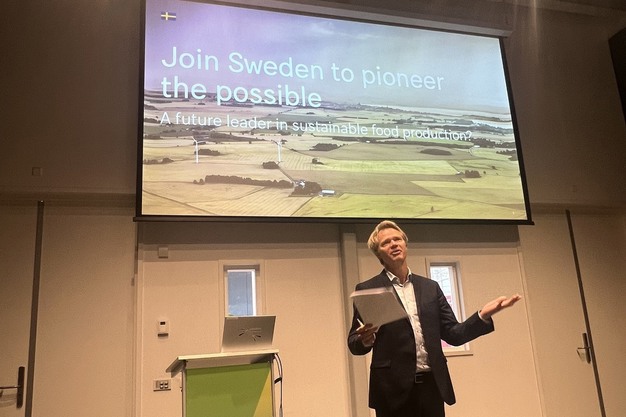
Sweden's ongoing efforts to attract international food producers were on display during the recent Building Tomorrow – Swedish Foodtech Opportunities event, hosted at the World Horti Center in the Netherlands. Representatives from multiple Swedish regions, including Invest in Norrbotten, High Coast Invest, Business Blekinge, and Invest in Skåne, joined the Embassy of Sweden and Business Sweden to present a united national offer for greenhouse growers, vertical farming operators, and associated technology partners.
 © Invest In Norrbotten
Strong fundamentals for greenhouse expansion
Sara Grundström, Inward Investment Manager at Invest in Norrbotten, outlined before the event what she describes as a "business case that's hard to ignore," citing 100% renewable energy, waste heat from industry, and some of the lowest electricity prices in Europe. These factors continue to serve as the foundation for Sweden's offer to European growers looking to expand.
"It's not just about cheap power," adds Matz Engman, Senior Advisor at Invest in Norrbotten. "It's about how you use it. We're promoting industrial symbiosis; using waste heat from steel plants, data centres, and fertiliser production to heat greenhouses at a fraction of the cost."
That proposition was echoed during the event, where multiple regions presented tailored versions of this model, emphasising energy stability, available land, and water access.
 © Invest In Norrbotten
Sweden needs more domestic production
One of the central points raised by Business Sweden and the Embassy was Sweden's current reliance on imported vegetables, estimated between 75–90% depending on the product. Tomatoes, cucumbers, and bell peppers make up a significant portion of this figure, with over €250 million worth of imports in 2022 alone.
"This is not about relocation," Lova Hedlund says, Project Coordinator at Invest in Norrbotten. "It's about expansion into a market that currently imports most of what it consumes. The opportunity is clear for those who can supply locally."
The Swedish government has identified increasing food self-sufficiency as a national priority, with regional investment agencies working alongside ministries to attract capable producers and facilitate project development.
 © Invest In Norrbotten
Regional highlights from the event
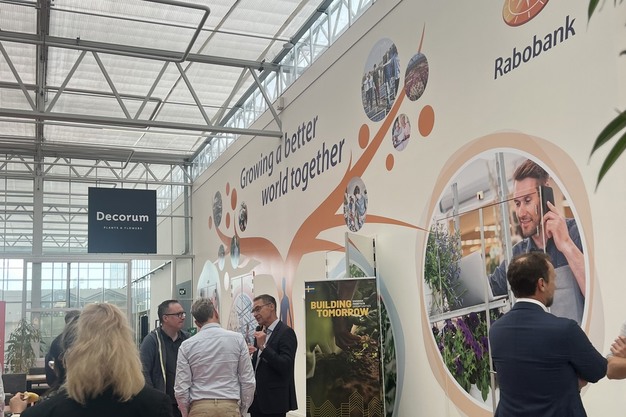
Each of the four regional agencies present at the event focuses on their specific strengths:
Invest in Norrbotten presents an energy-focused value proposition: 100% renewable electricity, industrial waste heat, and zoned land near new green steel and industrial plants.
High Coast Invest highlights similar energy advantages, along with active foodtech projects such as Agtira and collaboration with regional stakeholders.
Business Blekinge offers a complementary view, focusing on product refinement and innovation, including initiatives such as The Green Dairy and plant-based protein development.
Invest in Skåne, based in southern Sweden, emphasises its long agricultural tradition and proximity to the rest of Europe, with a well-established food production infrastructure.
"Each region has a different offer," Lova elaborates. "Some growers may prioritise energy and land costs, while others may look for existing agricultural ecosystems or proximity to markets."
Conversations focused on feasibility and follow-ups
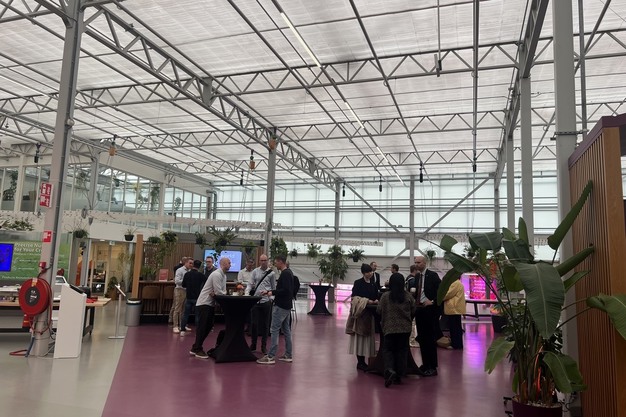
The event drew participants from greenhouse construction companies, vertical farming technology providers, and supply chain partners. According to Matz, the engagement with infrastructure and technology stakeholders was valuable.
"We had good conversations with companies that build greenhouses and supply technology to growers. They are key decision-makers in planning new projects and often serve as indirect channels to reach growers."
Attendees discussed the cost of land, electricity, and the availability of industrial by-products like waste heat, as well as logistics and offtake agreements. The Swedish representatives noted that several companies expressed interest in follow-up meetings.
 © Invest In Norrbotten
Business case development: A key step for growers
Much of the conversation at the event centred on cost modelling.
"The most important question we heard was around the business case," Matz adds. We've invited interested parties to share their production profiles so we can provide tailored comparisons, including energy costs, land leases, and logistics."
"This is the same process we used when attracting the data centre industry 15 years ago," he mentioned, referring to Facebook's investment in northern Sweden. "For any capital-intensive project, the numbers need to work first."
Labour and automation considerations
With relatively few large-scale greenhouse growers currently operating in Sweden, especially in the north, labour availability and automation were also recurring themes. One startup, Saia Agrobotics, introduced a new system where tomato plants are transported to robotic harvesters rather than using mobile harvesting robots within greenhouses.
"Automation could be a practical necessity in Sweden. It reduces reliance on labour, which may be harder to source in remote regions, and it can increase efficiency from day one."
 © Invest In Norrbotten
Domestic market focus: Retailers and offtake agreements
Swedish representatives were clear that initial greenhouse projects would be aimed at serving the domestic market, not exports. The importance of involving Swedish retailers such as ICA, Coop, and Axfood was highlighted as a key factor for successful investments.
"Nobody builds a 10,000-tonne tomato facility without market contracts," Matz says. "We assist in securing those relationships through our regional networks."
Looking ahead: Further engagement with growers
While this event focused on introductions and early-stage discussions, regional agencies expressed an interest in continuing the dialogue. There are early plans for participation in the HortiContact exhibition in February 2026 in Gorinchem, where a higher concentration of growers is expected.
"We want to keep this discussion going," Lova shares. "Whether it's through follow-up meetings or upcoming trade fairs, our goal is to support realistic, viable greenhouse projects in Sweden."
"From securing land to connecting with logistics and energy providers, our job is to reduce investor risk and support implementation."
For more information:
Invest in Norrbotten
Sara Grundström, Inward Investment Manager
070-561 69 98
[email protected] www.investinnorrbotten.se
High Coast Invest
Bengt Högbe
[email protected]
www.highcoastinvest.com
Business Blekinge
Peter Von Trampe
[email protected]
businessblekinge.se
Invest in Skåne
Kerstin Hultén
[email protected]
investinskane.com