Cucumber Green Mottle Mosaic Virus (CGMMV) remains one of the most serious disease threats in commercial cucumber production. The contact-transmitted virus spreads easily via tools, hands, water, rodents, and even pests, creating the potential for rapid, devastating crop loss.
That's why BASF's vegetable seeds business, operating in the market under the Nunhems® brand, focused its fresh cucumber breeding and technical services on helping growers minimize this risk through CGMMV-resistant varieties and integrated crop management support.
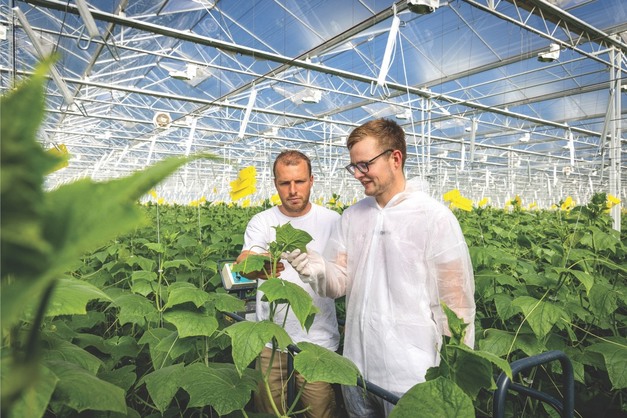 © Nunhems
"In high-wire systems, CGMMV can derail months of investment in pruning, lowering, and crop management," according to Robert Swinkels, high tech cucumber breeder at BASF | Nunhems. "Resistant varieties give growers a critical layer of protection against this risk."
CGMMV infection causes stunting, fruit blemishes, and yield losses often exceeding 30% to 40% in heavily potentially infected greenhouses, says Swinkels. The economic impact can potentially reach over $100,000 per acre per season, especially in long-cycle or high-wire crops where replanting isn't feasible, according to Swinkels.
All new cucumber varieties now come standard with CGMMV resistance
BASF | Nunhems began its CGMMV resistance breeding program in response to grower demand, with resistant varieties entering the market in the following years.
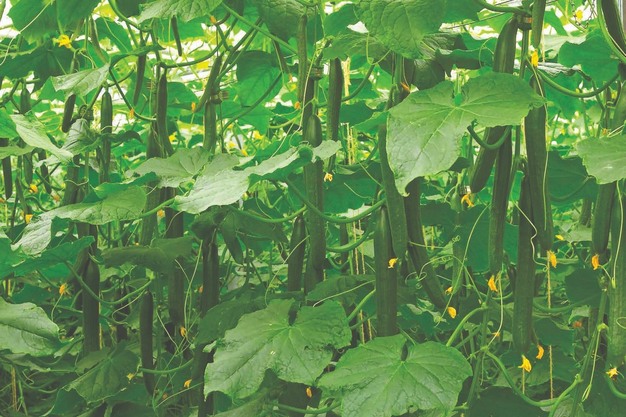 © Nunhems
"Resistance is only valuable if it comes with the yield potential, fruit quality, and plant vigor growers need," said Swinkels. The BASF | Nunhems breeding team continues to close the gap between resistant and susceptible varieties to minimize production trade-offs.
CGMMV-resistant genetics, while critical, aren't the sole solution.
"Resistance is one tool. It must be combined with good hygiene, crop monitoring, and greenhouse management to be fully effective," says Marcel Huibers, global agro-technologist at BASF | Nunhems.
To help, BASF | Nunhems supports growers through technical collaboration, offering guidance on sanitation protocols, pest and rodent control, substrate management, and early detection: water testing services that can detect CGMMV before symptoms appear in plants.
"Our job is to help growers build layered protection, including resistant varieties and good operational practices," noted Huibers.
CGMMV-resistant cucumber varieties represent a critical tool for helping to safeguard crop investment, particularly in high-wire and long-cycle systems where yield loss from infection can be catastrophic.
These genetics significantly reduce symptom severity and viral spread, providing growers with greater crop longevity and yield potential consistency. While a slight production penalty may exist in disease-free conditions, the overall return on investment improves when factoring in the risk mitigation, lower replanting costs, and reduced operational disruptions.
When paired with best practices in sanitation, pest exclusion, and early detection, CGMMV-resistant varieties form a cornerstone of integrated disease management.
For growers aiming to protect both short-term yield potential and long-term viability, resistance is essential.
"Think of CGMMV resistance as crop insurance built into the seed," Swinkels said. "It's indispensable security for modern cucumber production."
For more information:
BASF | Nunhems
www.agriculture.basf.com
www.nunhems.com