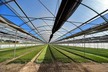
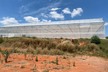
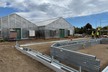
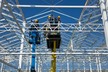
In Antalya's Alanya district, 10.4 hectares of rocky terrain are used for the production of tropical fruits. Produced by utilizing contemporary greenhouse methods, fruits like papayas, bananas, avocados, and mangoes are sold both domestically and abroad.
In the southern part of Alanya, Antalya, despite the difficult geographic and climatic conditions, a large range of tropical fruits is successfully grown, from papayas and mangoes to bananas and avocados. These greenhouses also grow coffee and cocoa trees, which are usually native to Africa.
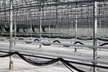
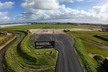
Fruits grown in these difficult, rocky regions are delivered to consumers' tables by Alanya, one of the most significant tropical fruit growing areas in the Mediterranean Region. The fruits grown in the enormous greenhouses are important for both exports and the local market. In Alanya, there is a shortage of flat agricultural land due to the region's natural features. The 10.4-hectare plot is part of the area's reclamation project that began years ago and has since been converted to agricultural usage. The systems of these greenhouses, which are built on most of the available space on the continuously sloping terrain, improve the plants' tolerance to weather conditions while also increasing production efficiency.
The inside temperature of the greenhouses reaches 46°C during the day in summer months, and tropical crops are successfully grown despite these difficult climatic conditions. Growers shift their labor hours to early mornings and cool evenings due to the high temperatures, particularly during the summer. Growers carefully use shading and irrigation systems to keep the plants cool.
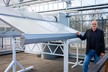
For every product cultivated in the greenhouse, organic fertilization techniques are used. This chemical-free production method enhances product quality while also safeguarding the environment. Additionally, a region-specific technique is used to supply the irrigation needed for the greenhouse. A drip irrigation system delivers groundwater to the fruits after it has been stored and purified in designated pools. By giving each plant the necessary amount of water, this reduces water waste and boosts output. Solar panels provide all of the electricity required by the greenhouse. In addition to saving electricity, a sizable solar energy system erected around the greenhouse's perimeter makes money by selling extra energy to the government.
Cultivated tropical fruits are available for export and domestic consumption after harvest. More specialized items like papayas and mangoes are being delivered to niche markets, whilst bananas and avocados are exported to neighboring countries. This boosts the Turkish economy in addition to providing revenue for regional industries.
According to growers, Alanya has emerged as a significant hub for tropical agriculture, and they claim that greenhouse farming's blend of natural production methods and contemporary techniques results in an annual improvement in product quality.
"I have more than 20 varieties in my greenhouses," said Ali Huddoglu, who owns the aforementioned 10.4-hectare greenhouse in the area and serves as head of the Alanya Tropical Fruit Producers Association. He added, " Our region is home to around 40 tropical fruit growers. We put love into our work. Our goal is to continue the farming heritage that our forefathers left us. Tropical fruit production is our sole business, not a side project. We occasionally have trouble with tropical fruit imports. We request that the government encourage domestic production and growers. During the harvest season, we call for increased limitations and customs duties on fruit imported from overseas. We sell papayas for 1.8 USD per kg, bananas for 1.2 USD per kg, avocados for 3.8 USD per kg, and dragonfruits for 5 USD per kg."
Source: Haberler