An Australian hydroponic grower recently achieved a record-breaking cucumber harvest of 4.5 kilograms per square meter in a single week, highlighting the potential of precision horticulture within organic systems. At the same time, the grower has reported an 89% reduction in waste for its tomato production, an achievement driven by a series of targeted, low-cost interventions.
These milestones underscore the evolving sophistication of organic hydroponic farming in Australia, where demand for high-quality, sustainable produce continues to grow.
Record harvest in cucumber production
According to the grower, the standout weekly yield was the result of multiple, coordinated efforts rather than any single breakthrough. The success stemmed from a well-balanced approach combining crop variety selection, climate control, and fertigation management.
"We achieved this result by optimizing each stage of the growing process, from selecting a strong-performing variety to refining our climate and fertigation strategies."
Key contributors to the harvest included variety and crop management. Careful selection of a high-performing variety and consistent pruning helped maintain crop balance.
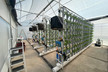
Fine-tuning temperature and humidity levels, particularly during a favorable spring period, was made possible by the use of a semi-closed glasshouse design.
Adjustments to nutrient balance and irrigation scheduling ensured the plants received exactly what they needed when they needed it.
While this yield significantly surpassed the grower's seasonal average, it serves as a new benchmark for future production targets.
"We don't expect to hit this level every week, but it gives us a target to strive toward under optimal conditions," the grower notes.
Importantly, this performance was achieved under certified organic production, where synthetic inputs are restricted. Yield optimization in such systems requires greater reliance on preventative plant health strategies, balanced organic nutrition, and high standards of crop hygiene.
Drastic waste reduction in tomato handling
In addition to the yield breakthrough, the grower has reported a major drop in waste: an 89% decrease in their tomato losses. This improvement came from a range of small but meaningful changes throughout the production and handling process.
"We focused on identifying key waste points and tackling the easiest wins first," the grower said.
Key initiatives included labor and process improvements: enhanced staff training led to better truss handling and more consistent packaging. Regular monitoring allowed for early intervention, preventing the build-up of fruit with defects. Improved coordination between harvest planning and packing capacity helped avoid bottlenecks and waste.
The transition to organic production added complexity, requiring greater staff awareness and higher standards in packaging presentation, particularly for truss tomatoes. However, the grower credits ongoing staff training and process discipline for the successful adaptation.
Navigating challenges in organic systems
Despite the achievements, challenges remain, particularly in pest and disease management, where organic systems limit the range of available control inputs.
To manage these risks, the grower has relied on integrated biological controls, strict hygiene protocols, and continuous staff education.
These strategies are essential in maintaining plant health and productivity in a controlled but input-restricted environment.
Organic and hydroponic trends in Australia
Australia's hydroponic tomato market is responding to consumer trends favoring sustainability, flavor, and local production. Demand for premium snacking varieties and certified organic options continues to rise domestically. However, export growth is limited by logistical challenges and the country's geographic isolation.
"We're seeing stronger market signals around flavor, shelf life, and sustainable packaging. There's real momentum behind organic and environmentally-conscious production," the grower shares.
Regions like New South Wales, with their high seasonal variability, present both challenges and opportunities. There is strong potential for further innovation in energy efficiency, climate control, and yield consistency.
Looking ahead, the grower sees the coming years as an opportunity to keep pushing productivity while staying aligned with market values.