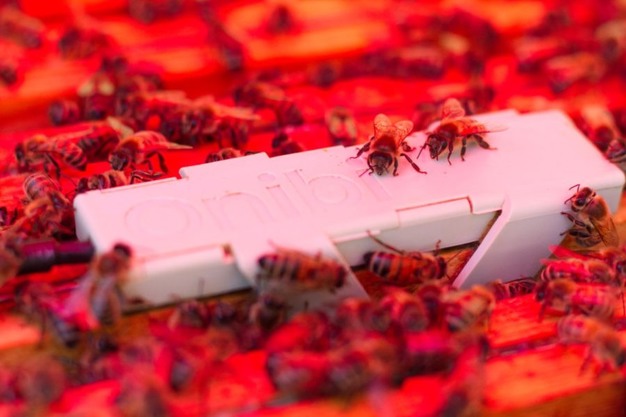
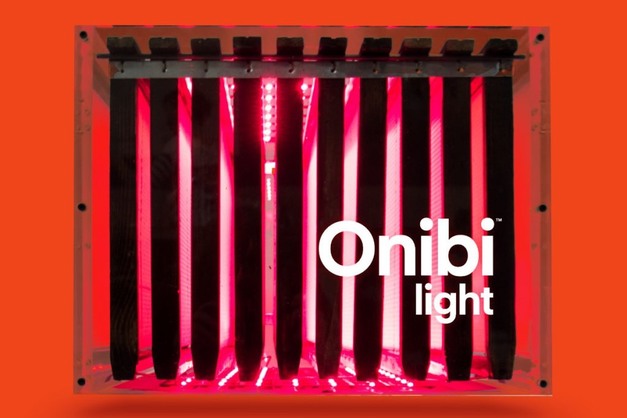
Beefutures has unveiled Onibi Light, the world's first in-hive light therapy device for bees. Developed together with University College London (UCL), the innovation applies the same long-wavelength light now widely used in human health to protect and restore bee colonies.
Studies found that bee colonies treated with red light lived significantly longer and pollinated more effectively when exposed to stressors like heat, pesticides and extreme weather, amounting to 600 percent more compared to the test group.
 © Beefutures
Bees are more than honey
Pollinators are in crisis. Nearly 60 per cent of US honeybee colonies were lost last winter, while beekeepers in France reported losses of up to 50 per cent. Bees face not only threats like the Varroa mite and Asian hornet, but also hidden stressors such as pesticides, long-distance transport and increasingly erratic weather. These factors sap their energy and immunity, undermining pollination, and with it our entire food system.
One in three mouthfuls we eat depend on pollination. The vast majority of fruits, vegetables, nuts and berries would disappear without the invisible but vital work of bees.
 © Beefutures
"When the bees stop buzzing, our food stops growing. That's the real story. And this is what Onibi Light is all about," said Christophe Brod, CEO of Beefutures.
Documented effects on a cellular level
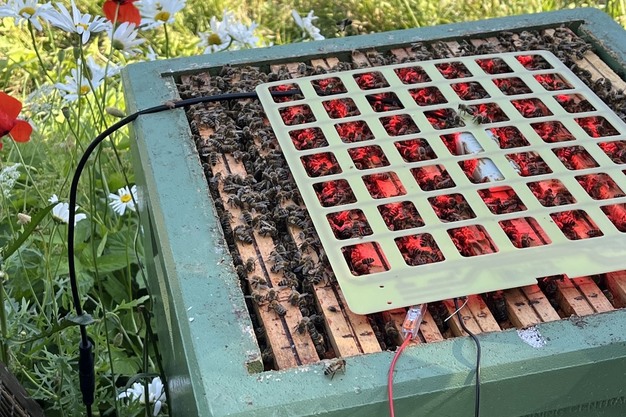
Onibi Light offers a breakthrough response. By using red and near-infrared light, the device stimulates bees' mitochondria, the energy centers of their cells, helping colonies recover faster, regain strength and perform better as pollinators.
"People are already familiar with red light therapy for human recovery, sports performance and skin health," said Brod. "We are applying the same principle to bees. It is simple, proven and has the potential to change the way we protect pollinators."
 © Beefutures
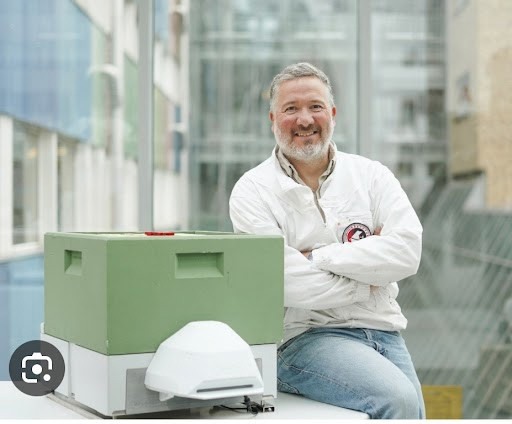
Christophe Brod
In trials with UCL, colonies exposed to pesticides or transport stress regained normal behaviour within days when supported by Onibi Light. Transported hives returned to foraging sooner, and bees maintained more even temperatures inside the hive.
"Our research shows that treated bees experience enhanced cellular respiration, improved visual acuity, and stronger immunity," said Glen Jeffery, Professor of Neuroscience at University College London.
Christophe Brod added: "Stronger bees mean stronger food systems. With Onibi Light, we are giving beekeepers and growers a practical tool to protect the very foundation of agriculture."
 © Beefutures
The device is being presented this week at Apimondia 2025 in Copenhagen, the world's largest beekeeping congress, where Beefutures will share the research behind its development.
For more information:
Beefutures
Email: [email protected]
https://beefutures.io/