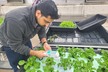
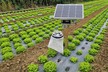
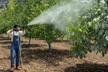
COAG, Almería's Coordinator of Farmers' and Livestock Organizations, confirmed the worst forecasts regarding the presence of pests and viruses at the start of the agricultural season. Producers have already reported tens of hectares of peppers affected by Thrips parvispinus, many of which have been uprooted, and most of the farms are being threatened by outbreaks of this pest and red spider mites. Farmers are facing this situation with limited biological tools, which have proven ineffective in preventing outbreaks from destroying their entire crops. "It is a silent, daily, constant battle. Every morning I arrive at the farm, I walk the perimeter to ensure everything is in order. Then, I inspect the crop and focus on controlling the outbreaks. It's frustrating and exhausting not to have a tool that offers a minimum level of security against thrips," said a farmer who has managed to keep the pest under control so far through effort, sleepless nights, and almost artisanal work.
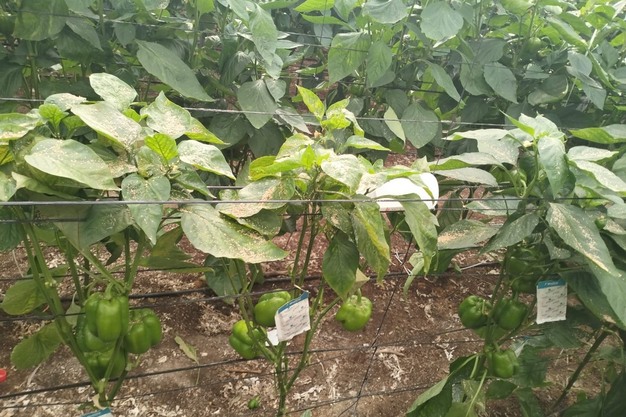
The current agricultural season in the province of Almeria has been impacted by a significant increase in pests, particularly red spider mite and Thrips parvispinus, which are affecting crops throughout the west of the province. The severity of Thrips parvispinus is especially notable in Tierras de Almería, the area most affected by thrips this season. The red spider mite has had the biggest impact on Dalias, Berja, and specific areas of El Ejido and Santa María de la Cabeza.
 © COAG Almería
Red spider mite
The red spider mite has caused the most damage to the earliest crops sown between June and July this year. These crops, which already reach heights of 1.30 to 1.50 meters, are at a critical stage for infestation by spider mites and thrips. The presence of these pests is already affecting a high percentage of growers, with some cases where up to 50% of the crop is damaged, causing increasing concern in the sector. "Every day I spend between 4 and 5 hours identifying and treating pest outbreaks, mainly using biological control, but the red spider mite is advancing rapidly, outpacing the biological treatments applied. We've run out of solutions. The tools currently available are not enough to stop its spread," stated one of the farmers dealing with outbreaks on his farm.
In this context, it is essential to highlight how climate influences the situation, exacerbating the development and spread of pests. Increasing high temperatures, which last longer at the start of the season and extend into usually cooler months like September or even October, are promoting the growth of these pests.
 © COAG Almería Thrips parvispinus, a fatal threat
Thrips parvispinus is particularly problematic because of its novelty and highly adaptable behavior in all kinds of conditions, making it nearly impossible for growers to control at this time. Currently, no plant protection products or biological solutions have proven effective against Thrips parvispinus, creating a complex situation for the agricultural sector.
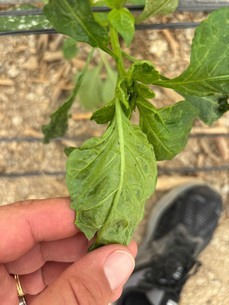
The situation with Thrips parvispinus is very concerning. The pest has spread significantly compared to previous seasons. In 2020, its presence was fairly isolated, but this season, reports of increased occurrence have emerged, especially in the Tierras de Almería area. This rise has caused uncertainty among farmers, who worry that the damage might be worse than in past years. The damage caused by Thrips parvispinus includes deforming the shoots, discoloring the leaves, damaging the flowers, and leaving marks on the fruit—all of which reduce the crop's commercial value. In some cases, farmers have had to abandon crops early, resulting in economic losses.
Solutions and measures
COAG Almeria has requested that the procedures to expedite the authorization of specific phytosanitary products to control Thrips parvispinus be accelerated while research continues into new solutions, treatments, or protocols for managing the pest. The agricultural organization believes it is crucial to grant exceptional authorizations to enable the timely application of appropriate treatments before the pest causes more damage.
Additionally, the organization believes it is essential to establish working groups within the framework of the Strategic Plan for Greenhouse Fruit and Vegetables, which has been activated by the Regional Ministry of Agriculture. This initiative aims to create a space where farmers, technicians, and marketers can explore and implement different solutions to the current challenges.
For more information:
Andrés Góngora Belmonte
COAG Almería
Tel: +34 619 30 17 54
www.coagalmeria.com