After last season's heavy thrips incidence in Almería peppers, early pepper growers in Berja and Dalías are already forming first impressions of the new campaign, and pessimism seems to prevail.
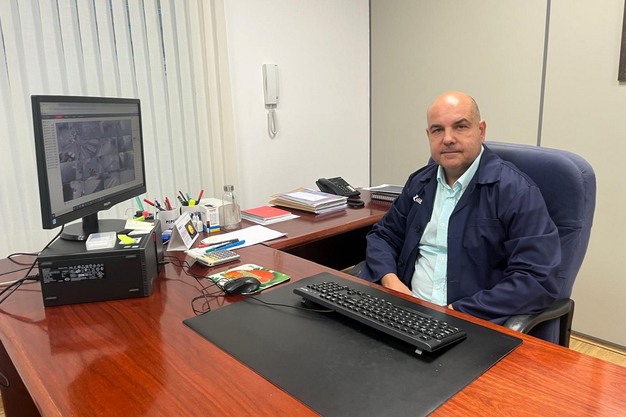
"I think this year we're going to suffer thrips damage again. Many growers have decided not to plant peppers, but in our area I see even more thrips pressure than last year. Maybe in El Ejido it's the same," says Guillermo Luque, manager of Daliber.
 © Daliber
"We are ahead in the calendar and we're already seeing pests like Thrips parvispinus. I hope I'm wrong, and that the weather helps, but if high temperatures continue, pests will persist. I believe growers should be allowed to use certain plant protection products at specific moments," Guillermo notes.
However, he adds, resistance to those products is weakening, which complicates the outlook. "If this keeps going, with warmer conditions every year, the solution would be to allow the use of additional products for certain periods. What matters is keeping the crop alive, if more crops are lost, there will be less product."
 © Daliber
Challenges for organic California peppers
According to Guillermo, organic California peppers are particularly difficult to defend against pests. "Here we face red spider mite and aphids, in addition to Scirtothrips dorsalis. In El Ejido, it's more Thrips parvispinus, which last year wiped out entire plantations."
He does not believe monocropping is the main cause: "It's the climate. In our area, we plant very early, in May, and the crop goes through extreme summer temperatures until harvest starts in July. By September, when temperatures drop, pest incidence is lower. Being in a slightly higher area helps, but thrips remain a serious threat to organic peppers."
Conventional vs. organic
"Conventional is getting closer to organic techniques, but conventional will always have more tools against pests. Right now, it's hard for either crop to thrive equally," Luque explains.
At the same time, he believes both will continue to coexist: "Over the last ten years, the gap has narrowed in terms of techniques, but they still have their separate paths."
 © Daliber
Another concern is competition with third-country imports. "We face strict requirements, but third countries face almost none. EU customs hardly detect horticultural products treated with pesticides banned here years ago," Luque stresses.
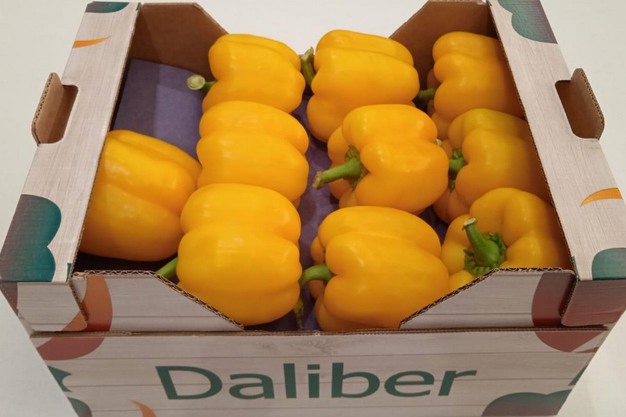
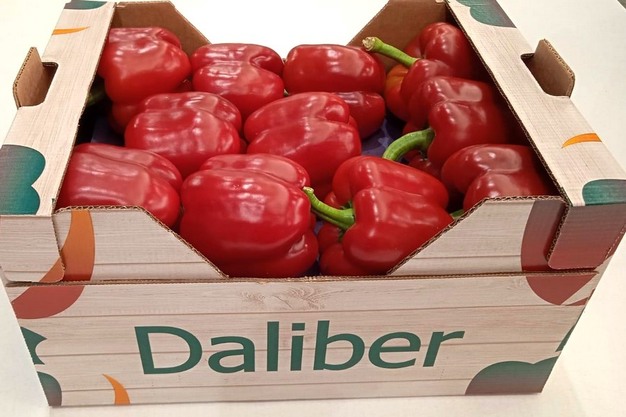
Daliber produces around 5 million kilos of California peppers per year, both conventional and organic, destined mainly for Germany and France. "These markets still value organic because they know how difficult it is to produce. That's also why many growers decide to abandon it," the manager concludes.
Daliber is dedicated to growing conventional and organic California pepper in the area of Dalías and Berja, in Almeria.
For more information, please contact
Guillermo Luque
Manager
Daliber
M.: +34 626 99 48 96
[email protected]
www.daliber.com