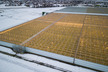
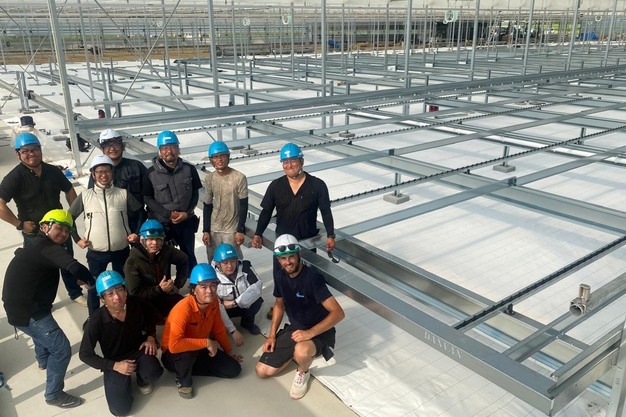
A new high-tech greenhouse project is currently underway in Kakogawa, Japan, coordinated by Denmark-Netherlands-based horticultural supplier DanDutch. The installation brings together a combination of technologies from Ridder, Danvan A/S, Staal&Plast and other European partners, with DanDutch overseeing the integration process. According to Xander van der Zande, co-shareholder at DanDutch, the success of such international projects depends not only on technical integration, but also on the ability to adapt to local working styles and processes.
"If you cannot dance and follow the moves of the partner," Xander says, "then it's better not to enter the Asian market."
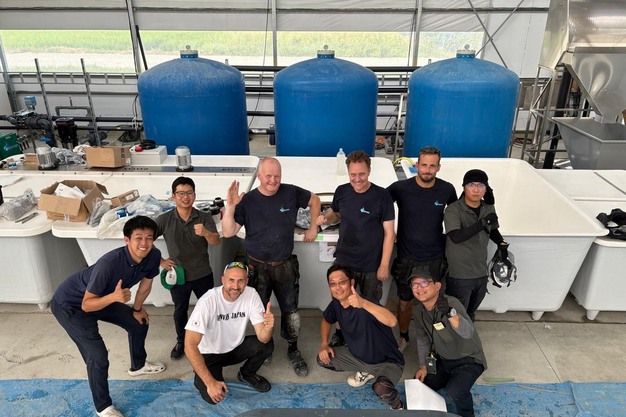 © DanDutch
A seamless integration in Japan
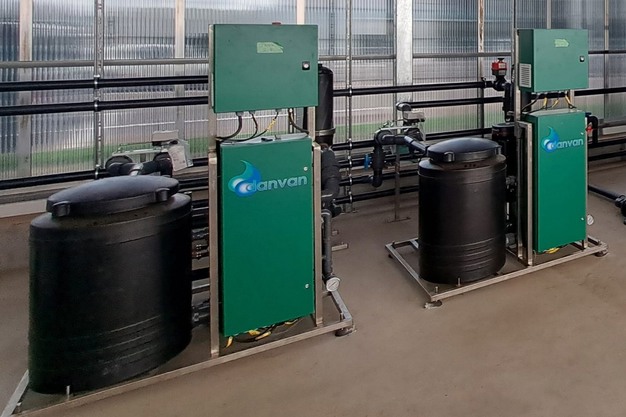
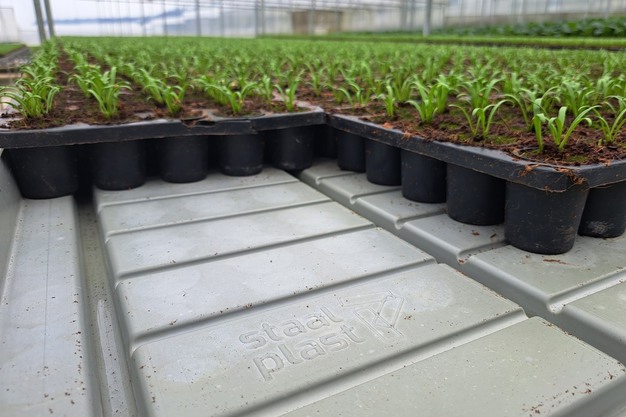
The company's latest project in Japan involves the installation of the Danvan Movable Gutter System (MGS), a young plant nursery, and irrigation equipment, integrated within a greenhouse powered by Ridder control systems. This multi-faceted setup is made even more distinctive by the tailored integration approach.
"We adopted Ridder irrigation control at the customer's request. Since the entire greenhouse automation is based on Ridder, we ensured a uniform control integration across all systems. That kind of centralized consistency is key," he explains.
While DanDutch/Danvan typically operates as a Priva integrator with over 40 years of experience globally, their flexibility allowed them to adapt to the customer's preference. The local integration and commissioning, including I/O connections, were entrusted to a Japanese partner.
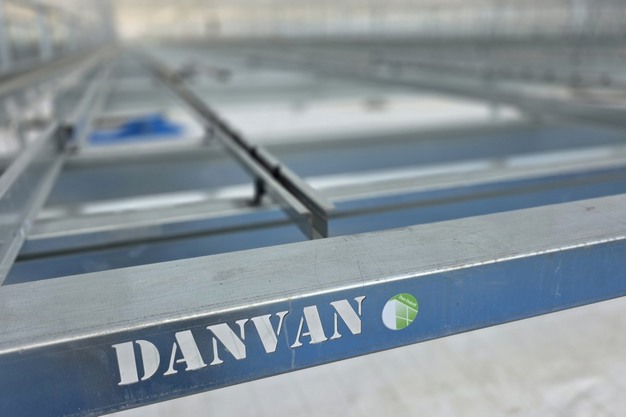 © DanDutch
Communication is the cornerstone of international collaboration
Managing a project of this scale across multiple countries, languages, and corporate cultures is no small feat. For Xander, the secret is simple, but not always easy.
"The key success factor of coordinating a project in Japan is communication. You have to think three steps ahead and feel the next move. Clear engineering and sticking to the plan are critical," he says. "Challenges are part of the job and it's fair cooperation with local parties that helps us beat them."
 © DanDutch
A flexible, independent approach to technology
According to Xander, DanDutch has earned its place as a trusted name in the Asian greenhouse sector by positioning itself as an independent integrator. The company works exclusively through local installation partners, supplying high-quality equipment from trusted suppliers such as Danvan and Staal&Plast and adapting automation systems based on customer needs.
"We never supply directly to growers. We always go through local partners," he states. "This allows us to tailor our approach to local preferences. They prefer. We advise. They decide. We integrate."
This unique model enables DanDutch to remain agnostic when it comes to automation platforms, integrating systems from Priva, Hoogendoorn, or Ridder, depending on the project's requirements.
 © DanDutch
Lessons from two decades in Japan
Xander's journey in Japan began in 2002 with his former employer, Nic. Sosef, and his experience over the past two decades has given him a front-row seat to the evolution of the Japanese greenhouse industry.
"Even 20+ year-old systems we installed back then are still running. The industry was already top-level, comparable to Dutch standards. What's changing now is the emphasis on labor- and energy-saving technologies," he reflects.
DanDutch is preparing for future projects involving collaborative pick-and-place 4X robots and energy system upgrades including heating, cooling, dehumidification and CO₂ improvements.
 © DanDutch
Customization as a main focus
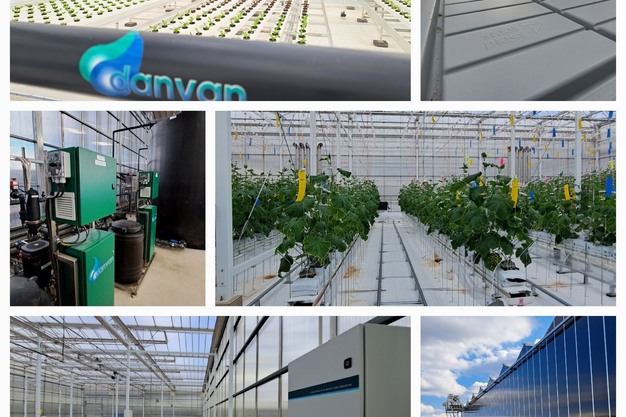
DanDutch's recent project for RijkZwaan in Narita, Japan, included drip irrigation, NFT systems, ebb & flood nurseries, rolling benches, climate control, and even a roof-washing system, all tailored to withstand the local climate.
"The irrigation design always depends on the crop and climate. If the design compromises to those, then it will be fit for purpose," he explains.
This tailored, collaborative approach is what enables DanDutch to succeed in complex environments like Japan, where understanding cultural nuances is just as important as understanding technical schematics.
"Not everything is said in words. You have to feel the background of decisions and translate that into equipment. That's the biggest learning from working internationally," he says.
 © DanDutch
No 5-year plan, just movement
"The world is too unstable for long-term predictions. Conflicts and economies can shift everything overnight. We go with the flow, depending on developments in places like Singapore, China, Japan, Malaysia, and Korea," he says.
Still, innovation remains top of mind, especially in greenhouse automation, robotics, and energy systems. "We always say: if it was easy, then everybody would be doing our job. You have to be flexible. And most importantly, keep on dancing."
For more information:
DanDutch
Xander van der Zande, Co-Shareholder
T +31(0)6 50277510
[email protected]
www.dandutch.com