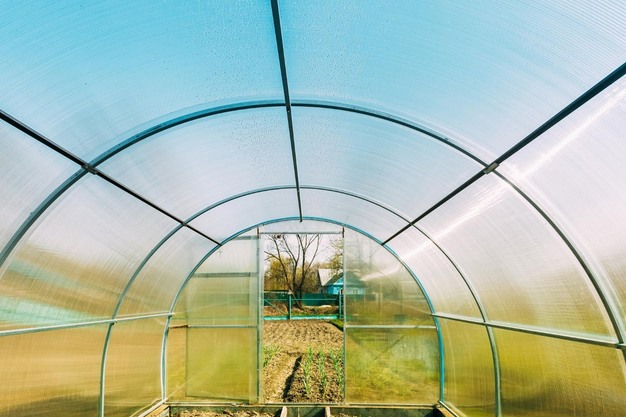
Finding unexpected mould in your polytunnel can be frustrating. It threatens the health of plants and affects the entire growing environment. "Addressing this issue quickly is necessary to keep your plants thriving. Ignoring the signs of mould can lead to larger problems down the line, potentially causing plants to wilt or suffer from diseases", the team with Agriplast Tech India describes. "Understanding why mould appears and how to prevent it is a smart move for anyone working with polytunnel plastic sheeting. By managing the conditions inside your polytunnel, you can maintain a healthier space for your plants."
 © Agriplast Tech India Pvt Ltd
Causes of mold growth
Mold thrives in conditions that may not be obvious at first. "Common reasons why mold shows up under polytunnel plastic sheeting are high humidity, poor air circulation, and temperature fluctuations."
"When there is too much moisture in the air, mold finds an ideal setting. The lack of airflow under the plastic sheeting can trap humidity, providing a perfect habitat for mold spores to flourish." Addressing poor air circulation: "Moving air helps to keep environments drier and less hospitable to mold. When air becomes stagnant, mold grows more easily. Ensuring there is a steady flow of air can help reduce this risk. And Big swings in temperature lead to condensation forming inside the polytunnel. This extra moisture can kickstart mold growth, especially during cooler nights and warmer days."
To address these issues, it's handy to think about the conditions in which mould thrives. "By making a few changes or checks in your polytunnel setup, you can limit these factors and keep the area mold-free."
Identifying mold
Spotting mold early is the best defense. "The quicker you catch it, the easier it is to manage. Look for discolored patches on plants, typically grey or black spots that can appear on leaves or stems. Mold might also show up as a powdery coating that can be white or grey in color."
Performing regular inspections is key. "Set a routine to check your polytunnel, especially after a spell of damp weather. Pay special attention to the less obvious places where moisture might collect, like along the edges of the sheeting or in corners where airflow might be limited. With a keen eye, you can catch mold before it spreads, keeping your plants healthier and happier."
Preventative measures
Keeping mould at bay calls for a proactive approach. There are several strategies you can adopt to make your polytunnel less inviting to mold, like improving ventilation, dehumidifying, and temperature contro. "Ensure there is good air circulation throughout the polytunnel. Consider using fans or opening vents to help draw fresh air in and push stagnant air out. Dehumidifiers can help manage the moisture levels inside, especially during humid seasons. Keeping the air dry goes a long way in preventing mold. And work on maintaining consistent temperatures. Try using shade nets or ventilation systems to even out temperature variations."
One product to consider is Ginegar Greenhouse Film. "Known for its good moisture and temperature management properties, it helps you control the environment inside your polytunnel more effectively. Such a solution can considerably reduce the risk of mould while safeguarding your plants."
Cleaning and removing mold
Should mold find its way into your polytunnel, acting promptly with the right approach can save the day. "When cleaning mold, aim for gentle yet effective methods to prevent harm to the plants and the structure itself." Preparing the area is key. "Wear gloves and a mask to protect yourself from spores. Remove affected plants to limit mold spread."
The use of gentle cleaners is another tip. "Opt for solutions specifically designed for greenhouse use, which can clean surfaces without damaging them. Avoid harsh chemicals as they might harm your plants or the polytunnel material. Gently scrub the affected areas with a soft brush or a cloth. Rinse with clean water, ensuring no residue is left behind. Finally, commit to regular checks and cleaning routines. This is your best bet to keep mold from reappearing."
Keeping polytunnels mold free
In dealing with mold growth under polytunnel plastic sheeting, prevention is definitely better than cure. Through improving ventilation and managing humidity and temperature, you can create an environment that is less conducive to mold. Regular inspections and prompt cleaning help to catch and address any issues before they become problematic.
Preventing and managing mold not only helps protect your plants but also assures that your polytunnel remains a productive and healthy space for growing. This proactive approach will ensure your plants thrive over the long term, creating a more rewarding gardening experience.
To ensure your polytunnel plastic sheeting remains mould-free and provides a thriving environment for your plants, consider investing in quality materials like the Ginegar Greenhouse Film. Its excellent properties in managing moisture and temperature make it a reliable choice for maintaining a healthy growing space.
For more information:
Agriplast Tech India
agriplast.co.in/