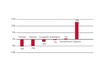
In 2024, EU fruit and vegetable exports to Mercosur amounted to 255 million euros, while imports reached 984 million euros. A significant trade deficit that, according to Fepex, won't be corrected by the proposals presented yesterday by the European Commission for signing and finalizing the EU-Mercosur Association Agreement and the EU-Mexico Modernized Global Agreement.
In 2024, the EU exported 201,503 tons of fruit and vegetables to Mercosur for a value of 255 million euros. EU apple and pear exports led this category with 111,209 tons and 134 million euros, according to Eurostat data processed by Fepex.
EU imports reached 759,843 tons and 984 million euros. Melons, watermelons, and papayas (all of which belong to tariff chapter 0807) led imports with 278,253 tons worth 269 million euros. They were followed by dates, figs, and pineapples (tariff chapter 0804) with 195,113 tons and 308 million euros, and citrus imports (tariff chapter 0805) with 187,902 tons and 207 million euros.
According to Fepex, if the proposals presented yesterday by the European Commission to sign the EU-Mercosur Agreement are the same as the ones agreed upon in December 2024, they offer few opportunities for the Spanish and EU sectors, and will not correct the current trade balance deficit; they will worsen it.
The agreement announced in December 2024 essentially provided free access to the EU market for fruit and vegetables from Argentina, Brazil, Uruguay, and Paraguay, while the EU sector received no compensation.
Regarding the EU's product access to Mercosur countries, these nations currently require negotiating phytosanitary protocols for every type of fruit and vegetable that the EU intends to export. This makes it very difficult to access these markets. However, it's still not certain whether this obligation will continue after the agreement enters into force.
For more information: www.fepex.es