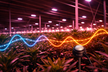
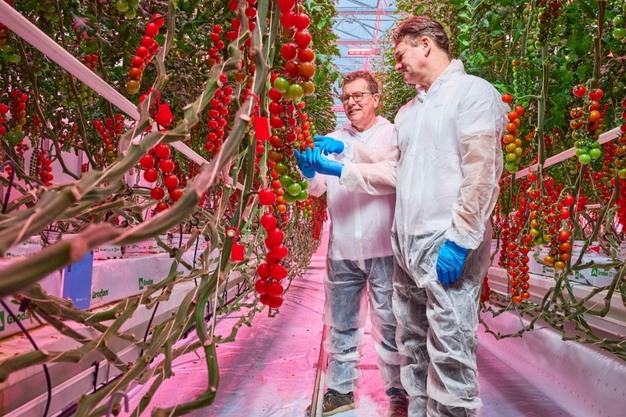
Recent research conducted by Signify, Grodan, and its partners Ridder, Normec Groen Agro Control, Wireless Value, Ammerlaan, and BASF illustrates that low-energy tomato production can be achieved without sacrificing yield or quality, provided a holistic cultivation approach is employed. In the second year of the trial, a yield of 18.24 kg/m² was recorded, with a Brix value of 9.32 and an average fruit size of 12.20 grams. This was accompanied by lower gas consumption, achieved by reducing reliance on the rail pipe heating system. Furthermore, an additional 2% reduction in electricity costs was attained by dynamically controlling LED lighting, switching off less energy-efficient colors when possible. Precise control over the leaf area index was maintained through the use of low-nitrate feeding. The trial also demonstrated improved nutrient uptake and higher Brix levels due to optimized feed recipes with adjusted ratios of potassium, magnesium, and calcium. Stable greenhouse climate conditions were achieved through an advanced dehumidification system, which led to consistent crop growth and development.
 © Grodan
Year 2: pushing the boundaries of low-energy cultivation
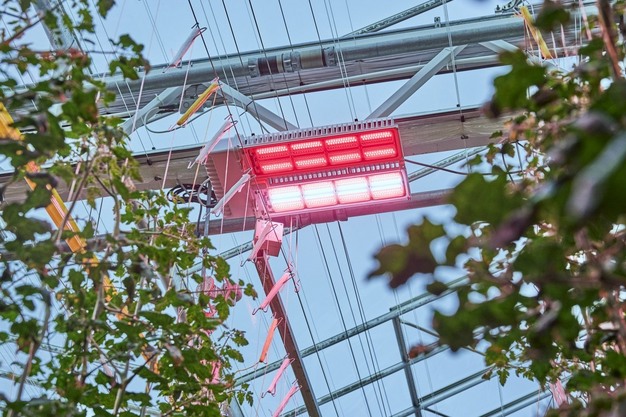
Building on strong first-year results, year two aimed to reduce heat input while improving yield, stability, and fruit quality. Two areas were focused on: lighting and climate control, and irrigation and nutrient management. For lighting and climate, less efficient LED colors were dimmed when unnecessary, boosting energy efficiency, while advanced thermal screens reduced energy use yet maintained stable conditions. In irrigation and nutrients, dehumidification helped balance growth and leaf area during the LED-lit winter, while refined watering and nutrient strategies preserved both fruit size and quality.
Shaping the future of energy-efficient growing
These results confirm that low-energy cultivation is not only technically feasible but also offers a clear pathway to reducing energy costs and greenhouse gas consumption, while maintaining product quality and yield. By combining dynamic lighting strategies, refined nutrient management, and advanced climate control, growers are equipped with practical tools to meet both sustainability and profitability goals.
 © Grodan
Download the full whitepaper
The full report is available for download and provides detailed insights into the methods, results, and next steps in this groundbreaking research.
For more information:
Grodan
www.grodan.com
Signify
www.philips.com/horti