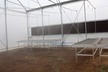
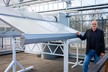
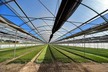
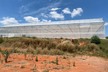
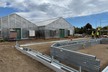
At Zaans Kruid in Made, the Netherlands, major changes are underway. The old greenhouses are gone, replaced for now by just a construction sign. Herb grower Frans van der Zaan chose to start fresh: after twenty years of growing herbs in two former chrysanthemum greenhouses, he had them demolished to make room for a new one. His growing area will shrink from 4 hectares to 2.4 hectares, and with the rebuild he is also ending winter production by no longer using heating.
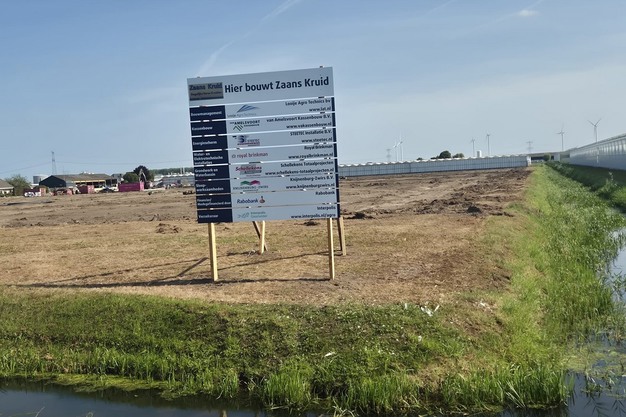 © Looije Agro TechnicsLooije Agro Technics is in charge of the construction management and took the photo.
"For years I was fine growing herbs in the soil in those older greenhouses, but now I've had enough," Frans says with a smile. At the moment, groundwork is being done in Made. By early February, he expects to be planting again in the new greenhouse. That's when the Zaans Kruid classics, celery, parsley, and chervil, will once again be back in production.
Anyone who thinks Frans is having an easy time now without greenhouses would be wrong. "There's still plenty to do. I need to arrange all sorts of things, and I also lend a hand wherever needed," he explains. During the winter months, he imports herbs from Spain and Italy, something he will start again in November. "Until then, it's a little quieter. And of course, it's holiday season now."
No heating
The biggest change coming with the new greenhouse is that there will be no heating system. "Heating isn't coming back. From now on, I'll grow in an unheated greenhouse, but I will use screening cloths. I just don't want to deal with all the hassle around heating rights and gas contracts anymore, especially for the three and a half months a year I actually need heat," Frans says. Up until now, his greenhouse was connected to a supply of residual heat, but that will soon end (link in Dutch).
Whether he will need to adjust his range of herbs in this new cold-house setup is still uncertain. "Time will tell," he says. "But in any case, I'll always have imports during the winter months."