The Delfland Water Board has tracked down the culprit behind a major case of water pollution in the Oude Polder, Pijnacker, the Netherlands. High concentrations of nitrate and pesticides were discovered in local surface water. The grower responsible has been held to account, including covering the costs of cleaning the contaminated ditch.
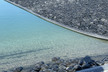
During several inspections, enforcement officers measured more than 250 mg/l of nitrate in the ditch water. For comparison, the legal limit is just 1.8 mg/l. In addition, pesticides were found. To prevent the polluted water from spreading further, Delfland immediately pumped out 30 m³ of contaminated water.
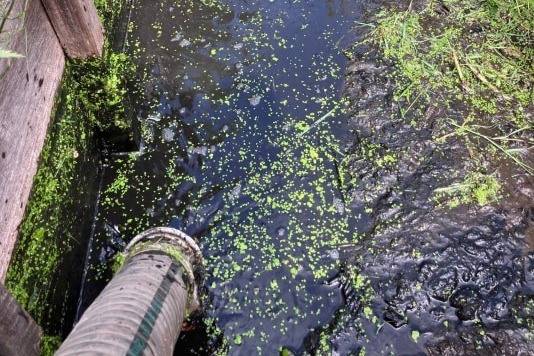 © Hoogheemraadschap van Delfland
Polluter pays
The illegal discharge was detected in a ditch shared by two companies. Because the ditch was not connected to other water bodies at the time, the pollution could only have come from one of the growers. According to Water Board Chair Piet-Hein Daverveldt: "Thanks to an innovative investigation method using eDNA, we identified the source of the contamination. Growers are responsible for keeping both their production and their products clean, so the costs of cleaning the ditch are charged to the polluter. The polluter pays."
Innovative detection method
When the pollution was first discovered, Delfland imposed emergency enforcement measures on both companies. This gave them the chance to take responsibility and resolve the problem themselves. Since neither admitted fault, a thorough investigation followed. Samples were taken from drainage wells, pesticide spray records were checked, and the contaminated water was analyzed for crop protection products.
The breakthrough came from eDNA analysis. This technique makes it possible to trace DNA traces from specific crops in surface water, linking the pollution to its source. The results pointed directly to the grower responsible for the illegal discharge.
Strong action
Delfland has taken strong measures against the grower. They must cover the clean-up costs, have been given a conditional penalty order, and a formal report is being filed. If the same violation occurs again, the penalty will be collected immediately.
Strengthened supervision and enforcement effective
Delfland is committed to enhancing water quality in greenhouse areas through various methods, including targeted inspections, smart innovations, and advanced techniques for detecting leaks and illegal discharges. Recently, the Water Board has introduced additional measures to bolster these efforts. These measures include the consideration of higher fines to deter repeat offenses and holding not only companies but also individual managers accountable for violations. Additionally, inspections are now being conducted outside regular office hours to ensure thorough oversight and enforcement.
According to Chair Piet-Hein Daverveldt: "These extra measures strengthen our enforcement in the greenhouse sector, and we are already seeing results. The message is clear: we can see a lot, and polluting the water does not pay."
Clean and healthy water
Together with partners, Delfland is committed to the goals of the EU Water Framework Directive. Reducing harmful substances and protecting aquatic ecosystems are top priorities.
In greenhouse horticulture, pesticides and nutrients are still the main sources of pollution and poor water quality. Delfland has set up an extensive monitoring network and is investing heavily in inspections and enforcement.
Improving water quality is a shared responsibility, but greenhouse growers play the biggest role in protecting both the environment and the reputation of the sector. Many growers comply with the rules, but not all. Delfland calls on every grower to prevent leaks and discharges. Keeping surrounding ditches and waterways clean is not only a legal duty, it also protects the image of greenhouse horticulture as a whole.
For more information:
Hoogheemraadschap van Delfland
[email protected]
https://www.hhdelfland.nl/