Eswatini is expanding its climate adaptation efforts in agriculture by introducing protected cultivation infrastructure and climate-smart technologies aimed at increasing food system resilience. The initiative, implemented with technical support from the Food and Agriculture Organization of the United Nations (FAO), was featured during the Coordination Unit for Plant Production and Health's (CUPPAH) monthly knowledge exchange session.
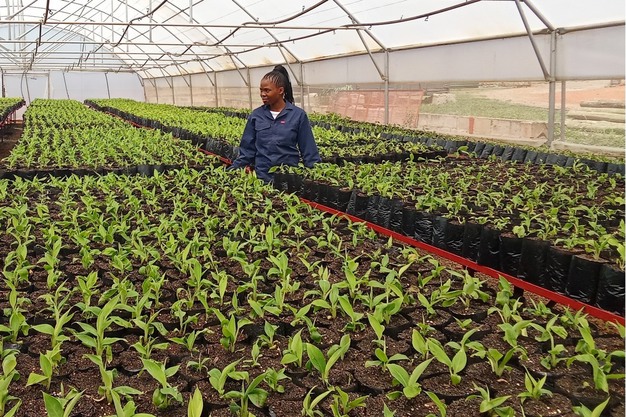
The Eswatini program showcases the deployment of greenhouse tunnels and shade net structures to safeguard crop production against climatic shocks such as extreme heat, irregular rainfall, and the rising occurrence of hailstorms.
Responding to climate variability with infrastructure and training
Eswatini has experienced intensifying climate variability in recent years. The 2024–2025 El Niño event, among the strongest in decades, caused prolonged droughts, reduced annual rainfall from 850 mm to 650 mm, and increased hailstorm incidents by 300 percent. The recovery window between extreme weather events has also shortened significantly.
In response, FAO and the Government of Eswatini have prioritized investments in protected farming technologies. As of mid-2025, 11 greenhouse tunnels and 32 shade net structures have been established in strategic locations. These systems have improved water efficiency—achieving up to 40 percent savings—and created opportunities for farmer training and market engagement. Approximately 700 farmers have benefited from capacity-building activities, with women accounting for 60 percent of participants.
"Technical solutions combined with policy alignment and youth involvement are proving critical to building agricultural resilience," said Sibusiso Mondlane, Senior Programme Officer at FAO in Eswatini. "Eswatini's experience illustrates how protected cultivation systems can mitigate climate risk and enhance local production capacity."
 © Food and Agriculture Organization of the United Nations
Mathew Abang, CUPPAH's lead technical officer, added: "The projects reflect a high level of national commitment to sustainable agriculture and inclusive rural development."
Project integration and regional replicability
The activities form part of several FAO-supported programs under its Technical Cooperation Programme (TCP) and joint initiatives with the UN system. Under these arrangements, eight greenhouse tunnels have been constructed for three youth-led farming groups, and extension officers have been trained with additional farmer sessions scheduled for August 2025.
Six out of twenty shade net structures aligned to FAO's One Country One Priority Product (OCOP) initiative have been installed to support export-oriented vegetable production and youth-led agribusiness. Agro-industrial incubation hubs are being piloted at the University of Eswatini and within the Ministry of Agriculture's Taiwan Mission. These hubs focus on protected horticulture, apiculture and the revitalization of the national coffee value chain.
Under a UN Joint Programme, 12 youth groups are receiving support for protected agriculture, with one greenhouse tunnel already operational and procurement underway for 11 more shade nets.
This multi-project approach aims to integrate climate-smart practices into national agriculture and provide scalable models for other countries in Southern Africa facing similar climate pressures
Source: Food and Agriculture Organization of the United Nations