Semillas Fitó has been honored with the prestigious Sustainable Ecosystem category award of the Retina ECO Awards, organized by Prisa Media in collaboration with Capgemini, for its "Plant varieties to reduce the ecological footprint of agriculture" project. The company was recognized for developing new, more efficient horticultural varieties and creating the first specific methodology to calculate the ecological footprint of horticultural crops at the varietal level, aligned with the standards of the European Commission.
 © Semillas Fitó
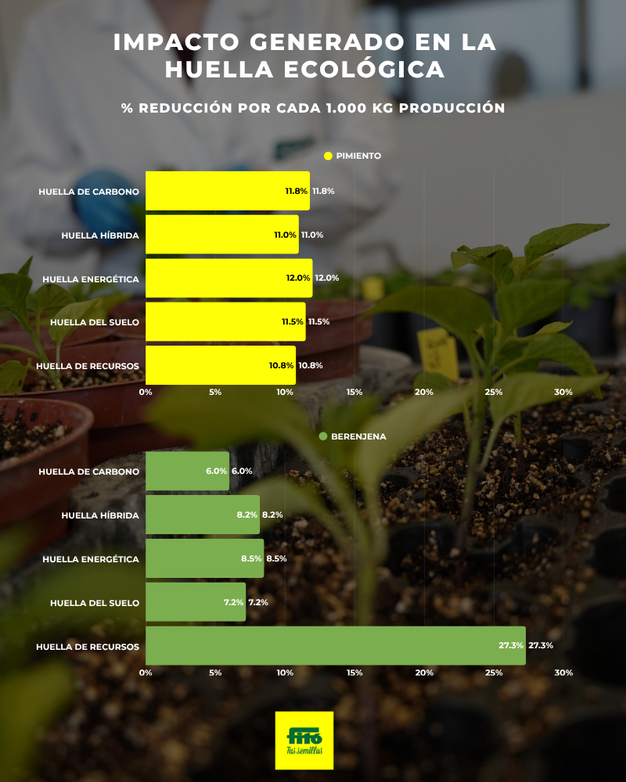
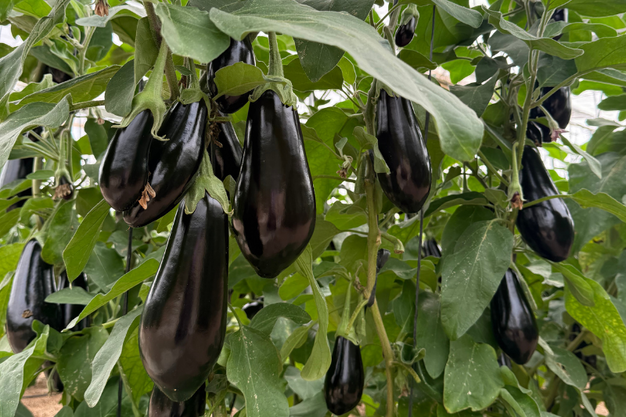
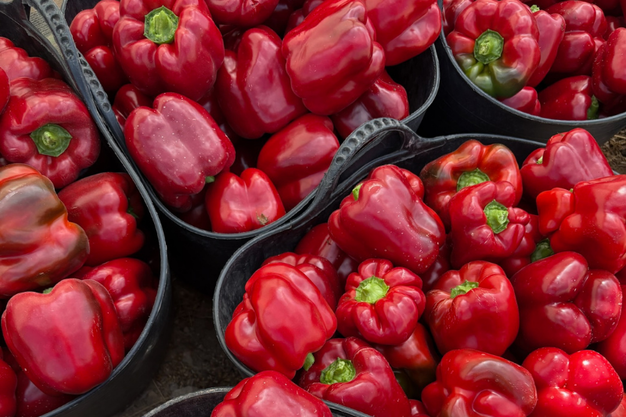
This project, part of Semillas Fitó's sustainability plan, allows scientific quantification of the environmental impact of horticultural varieties through five key indicators: their carbon, water, energy, land use, and resource use (phytosanitary, fertilizer, and disinfectant) footprints. The results obtained so far show a 10-12% decrease in resource use per ton produced, as has already been demonstrated in Nelto peppers or by using the Augusto rootstock (aubergine), which has managed to reduce its resource footprint by 27%.
"This project stands out for its genetic development, but what makes it truly unique is that we can now measure and compare the impact of each variety using a rigorous methodology tailored to the horticultural sector. That's something we couldn't do before," stated Juan Jesús Narváez, member of the Sustainability Committee of Semillas Fitó.
 © Semillas Fito
A sectoral tool with international ambitions
The methodology, developed in collaboration with the Institut Cerdà, has been designed following the principles of the European Commission's Product Environmental Footprint (PEF). It's a tool that Fitó makes available to the entire agri-food sector.
"Fitó wants to be the expert sustainability partner of the entire agri-food chain. It is not just about products, it's also about accompanying the sector with scientific and applicable solutions. This is our way of generating shared value," stated Elisabet Fitó, the company's director of corporate relations.
 © Semillas Fito
Measured and replicable impact
The quantification model has already been implemented in real-world scenarios. For example, in Murcia, a key pepper-producing region in southeastern Spain, adopting more sustainable varieties could potentially reduce CO2 emissions by approximately 2,080 tons a year.
Extrapolated globally, the estimate becomes even more significant: over 460 million tons of CO₂ eq could be avoided if the new varieties are adopted in major production areas.
Direct benefits for the farmer
For the farmer, the value of these new varieties extends beyond their environmental benefits: they serve as a practical tool to boost profitability, lower risks, and adapt to an increasingly challenging environment. Thanks to their efficiency-oriented genetic design, these varieties could optimize the use of key resources, such as water, energy, and agrochemical inputs. In practice, this could translate into cost reductions at critical stages of the crop cycle, bringing economic stability in a context of price volatility and pressure on operating margins.
 © Semillas Fito
In addition, these solutions provide greater agronomic resilience against factors such as water stress, salinity, and the incidence of soil diseases, thanks to the development of adapted varieties and the integration of strategies such as grafting with specific rootstocks, as seen in Augusto aubergines. This genetic improvement also facilitates compliance with the sustainability requirements contained in the CAP, in the European strategy "From Farm to Fork", and in the standards required by distribution and export chains. Therefore, the farmer not only gains access to more efficient production but also boosts his market position in areas that increasingly prioritize environmental commitment and technical traceability from the seed.
A strategic and evolutionary commitment
The project is part of Semillas Fitó's Sustainability Plan, which follows the People, Planet & Profit approach and includes over 20 lines of action. With a presence in over 90 countries and an investment of more than 20% of its annual revenue in R&D+i, the company reaffirms its leadership in plant genetics through both technical innovation and a commitment to sustainability and corporate responsibility.
 © Semillas FitóFor more information:
Semillas Fitó
Email: [email protected]
www.semillasfito.com