Plant virus viability is the difference between "viral RNA detected" panic and a calm, on-schedule day.
Picture mid-September in Ontario: crews are deleafing and sanitizing for winter production. Two weeks later, a routine drain-water screen flags tomato brown rugose fruit virus (ToBRFV) RNA. Panic? Not this time. A viability assay shows particles are non-infective, the schedule holds, and an eight-week production gap is avoided.
That small data point can be worth hundreds of thousands of dollars in winter revenue – exactly why viability testing belongs on every Canadian grower's fall checklist.
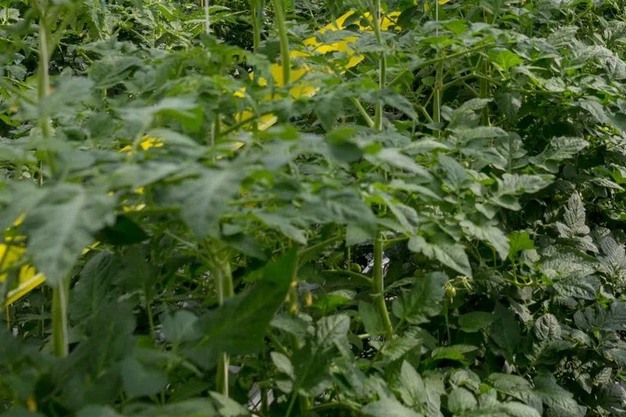 © Healthy Hydroponics
Viruses: stealthy pathogens that make viability checks essential
Fungi and bacteria can be cultured, plated, and usually controlled with chemistry or biocontrols. In contrast, plant viruses present a different challenge due to their nature as obligate parasites, which means they cannot grow on agar like fungi and bacteria. Once a systemic infection by a plant virus occurs, there is no curative chemistry available, and infected plants must be culled to prevent further spread. Plant viruses are also particularly resilient, with the ability to survive for long periods on hard surfaces and for weeks in water, facilitating their spread through tools, drain lines, or gloves.
Viability virus testing 101: What "positive" should really mean
In the last section, it was noted that viruses can linger on hard surfaces for months and move quietly through water and other surfaces, often long after visible symptoms fade. A simple "detected" isn't enough during fall change-outs; you need to know if particles can still start an infection.
Standard qPCR can be likened to a smoke alarm in that it is highly effective at detecting the presence of viral genetic material, or "smoke." However, it does not differentiate between active infections and remnants of viral particles that may pose no real threat, akin to detecting harmless leftover smoke from a past fire. On the other hand, viability testing serves as an additional step prior to qPCR that helps filter out the signal from broken, non-infectious virus particles. As a result, the test primarily highlights intact particles that have the potential to still infect plants, providing a clearer indication of active viral threats.
When decisions are high-stakes
For major calls like crop removal or restarting production, some labs also run a simple indicator-plant test. A small amount of sap or water is gently rubbed onto sensitive plants; if small local spots appear, the virus is infectious. It takes longer, but it's a solid confirmation when the consequences are significant.
 © Healthy HydroponicsFall change-out conditions: open vents and teardown can aerosolize residues. Require "Not detected – viable" before transplant and validate the recirculation loop.
Why fall change-out Is high risk in Canada
Long-Cycle Crop Residue: Canadian tomato and pepper crops often run nine to eleven months, accumulating pruned leaves, root exudates, and biofilm. Fresh research shows ToBRFV lasts days to weeks on many surfaces; months possible on non-porous materials under cool, protected conditions. Fall teardown aerosolises that residue just when the house is empty and ventilation is wide open.
Water-Mediated Spread: Recirculating nutrient solution is standard in modern Canadian ranges. ToBRFV remains infective in water for up to four weeks at 20 °C and moves readily through hydroponic plumbing. Unless the loop is disinfected or validated virus-free, the first irrigations of the new crop can seed an outbreak.
Cooler temperatures slow system development: Shorter day length and lower winter light suppress metabolism, delaying symptoms. Viruses can smoulder unseen for six to eight weeks, masking a problem until peak winter harvest.
Don't ignore the abiotic angle
Virus pressure escalates when plants are stressed. SGS Crop Science offers rapid water, nutrient solution, media, and tissue analyses that help dial in EC, pH, and Ca:K ratios. Proper ion balance strengthens cuticle integrity and can reduce mechanical transmission risk. Think of SGS data as the environmental "weather report" that frames every IPM decision.
Here are some practical tips for the 2025 fall cycle to enhance plant health and virus management in greenhouses. First, mapping your greenhouse hydraulics is crucial, as dead legs and bypass lines can serve as prime reservoirs for viruses, necessitating careful monitoring and cleaning. Second, assign a "clean crew" specifically for managing teardown tasks; these team members should not enter propagation zones until at least 24 hours have passed and they have changed into fresh clothing, minimizing the risk of cross-contamination. Third, consider pairing viability data with SGS nutrient reports, as issues like high chloride or low calcium levels often correlate with cracked fruit and increased mechanical transmission of viruses. Lastly, make it a practice to archive all Cycle threshold (Ct) and viability results, as this data can help identify chronic hotspots and support ongoing Integrated Pest Management (IPM) efforts by revealing trends over time.
Where to get help
Healthy Hydroponics: Targeted pathogen testing with an optional viability upgrade (Pathogen Mini 2.0). Current viability targets include most viruses/viroids such as ToBRFV, CGMMV, PepMV, PMMoV, PVY, HLVd, INSV, ToCV/TICV, and others (confirm per target). More targets like Fusarium, Pythium, Ewinia, and Neopestalotiopsis will come very soon. Same sample types as standard testing (water, substrate/media, plant tissue, swabs); typical turnaround is within three business days of receipt in their Growers' Portal.
SGS Crop Science: Comprehensive abiotic and chemical diagnostics (water, nutrient solution, media, tissue) that underpin disease management, fertigation optimization, and environmental conditions that influence transmission risk. SGS also offers broader pathogen panels (non-viability).
For more information:
Healthy Hydroponics InnoTech
healthyhydroponics.ca/