As global food supply chains face mounting pressure to improve efficiency, reduce waste, and meet increasingly strict safety and sustainability standards, reusable packaging is becoming an essential component of logistics infrastructure. Tosca, a provider of reusable plastic packaging and pooling solutions, is contributing to this shift with systems designed to support hygiene, traceability, and operational performance across the supply chain.
 © TOSCA
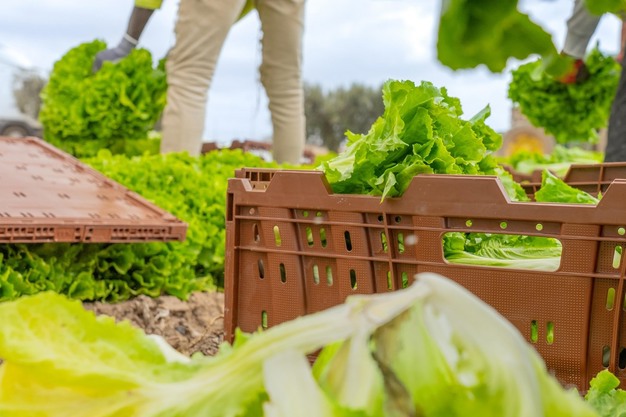
The company's approach aims to reduce reliance on single-use packaging while improving food safety and asset durability. By offering reusable plastic pallets and crates that are more stable and hygienic than conventional options, Tosca supports efforts to reduce spoilage, contamination, and unnecessary packaging waste. These systems are used for a wide range of food products, including produce, dairy, meat, and packaged goods, and are adapted to the specific handling requirements of each.
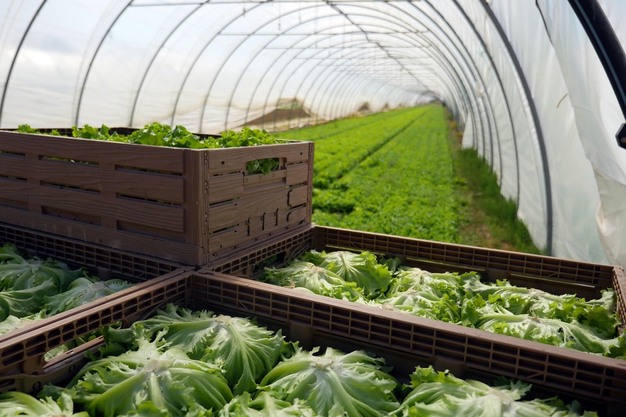
Logistical efficiency is a key focus. Reusable assets such as stackable and foldable crates help optimize transport by reducing empty truck space and transportation costs. The pooling model allows assets to be collected, cleaned, and redistributed across the network, cutting carbon emissions. For example, pallets shipped from Denmark to Spain are now recovered locally for use by other customers, reducing the need for return transport.
 © TOSCA
Digital technology also plays a role. In several markets, tracking systems using RFID and IoT are in place to provide real-time visibility into asset movements. This helps reduce the need for excess inventory and improves planning by offering greater transparency and predictability. The company continues to invest in these technologies to meet evolving demands.
The circularity of the model is also a central feature. When packaging assets reach the end of their usable life, they are either repaired or recycled into new products, reducing material waste and aligning with circular economy principles. The system is designed to comply with evolving European packaging regulations, such as the forthcoming Packaging and Packaging Waste Regulation (PPWR), while supporting customer ESG goals.
 © TOSCA
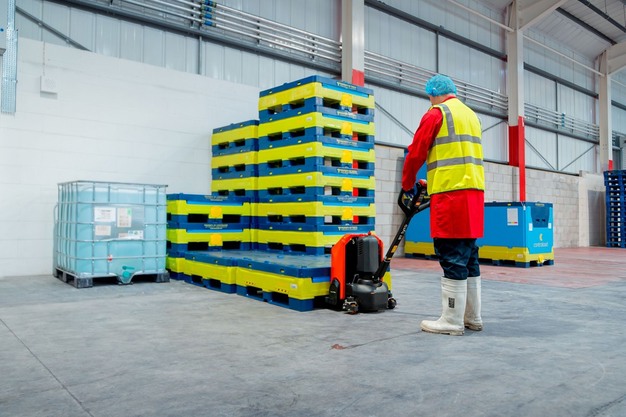
Tosca's operations cover both upstream and downstream supply chain partners, offering a closed-loop system from producer to retailer. The consistency and structural integrity of reusable plastic carriers also make them suitable for increasingly automated warehouse environments, where standardised materials are critical for efficient machine handling.
Rather than positioning itself solely as a supplier, the company works closely with customers to assess operational needs, evaluate regulatory requirements, and design long-term, scalable solutions. This collaborative approach is central to adapting reusable packaging systems to a diverse and changing market.
With rising demands across the food logistics sector, reusable and recyclable packaging systems are becoming a practical tool for companies seeking to improve sustainability, food safety, and efficiency across complex supply chains.
 © TOSCAFor more information:
Hannah Hambleton
Tosca
Email: [email protected]
www.toscaltd.com