Soil-less cultivation, which is constantly evolving, seeks effective solutions for managing plant and water health. Ozone - a natural element with disinfectant properties - is among the technologies that are attracting increasing interest and is now also used in a controlled and safe manner in greenhouses and nurseries. Today, over 150 hectares of soil-less crops in Europe make use of this technology, and the number is constantly growing.
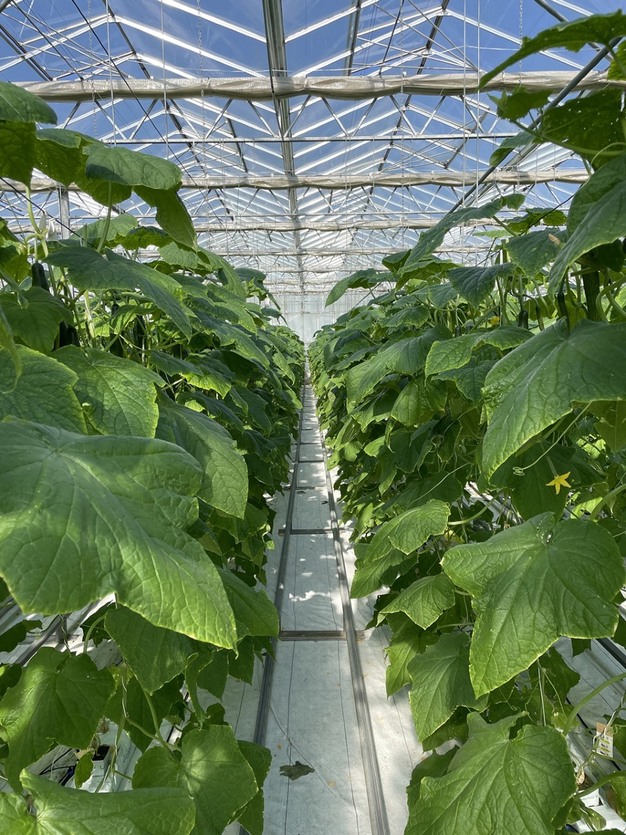
Giorgio Zaffani, biotechnologist at Ecofarm Storti, an Italian company specialising in the use of ozone in agriculture, confirms this trend. "Over the past two years, we have seen an increase in requests from both nurseries and companies growing horticultural soil-less crops, mainly tomatoes and cucumbers, but also aubergines and peppers. Farmers are discovering the concrete benefits of ozone: not only for water disinfection, but also for the improvement of overall crop management and production yields."
 © Ecofarm Storti © Ecofarm Storti | 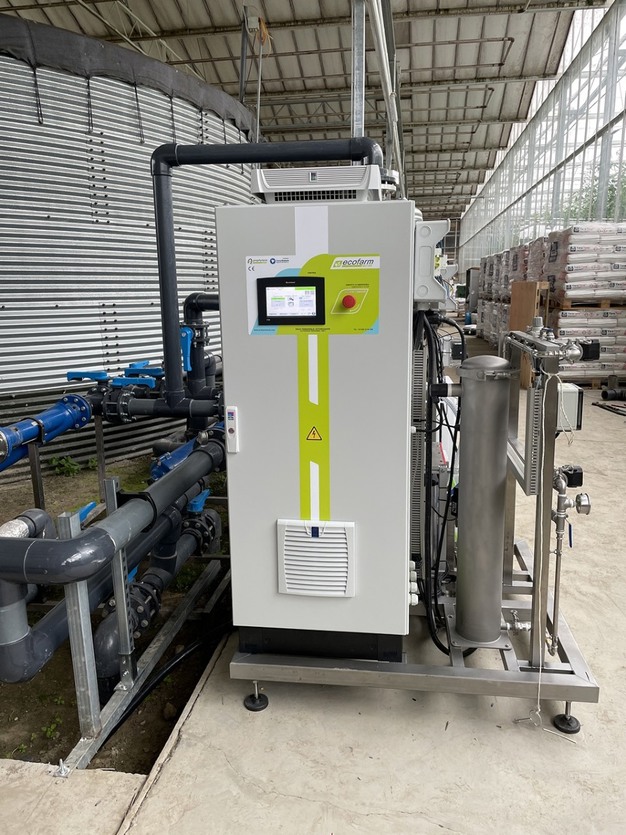 © Ecofarm Storti © Ecofarm Storti |
The system developed by Ecofarm Storti allows the rapid and modular treatment of large volumes of water, guaranteeing a complete sanitisation of the irrigation system - filters and drippers included - and the removal of biofilm from the irrigation pipes, one of the main vectors of pathogens. Drains are also treated, and in some cases, the treatment of the water entering the farm allows for an overall protection of production, with an important economic return for producers.
 © Ecofarm Storti
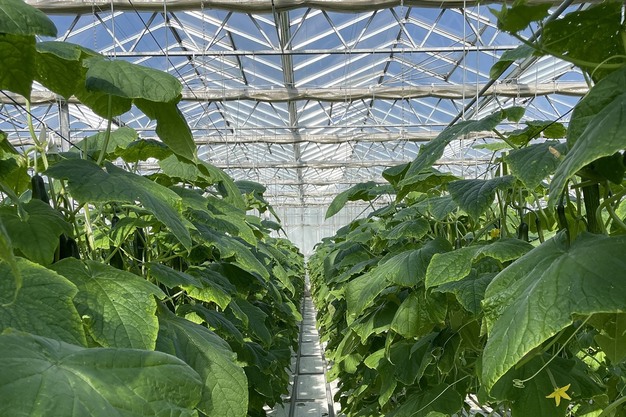
The technology has been adopted not only in Italy, but in Austria and Switzerland as well, in greenhouses specialising in the cultivation of tomatoes, cucumbers, aubergines, and peppers. In addition, strawberry cultivation is also appreciating the benefits brought about by the technology.
But the benefits do not stop at hygiene alone. "Ozone improves the concentration of oxygen in nutrient solutions by saturating water and releasing free radicals. This translates into healthier, more vigorous and developed root systems, with a greater capacity for absorbing nutrient compounds," Zaffani explains. "Plants grow faster, assimilate nutrients better, and are less prone to root diseases, all without leaving any residue in the environment or on the crop."
"The system, which is custom-designed for each farm, is simple to install and requires only electricity to operate. According to customers, the investment pays for itself in between 12 and 24 months, thanks to the reduction in health problems and the increase in yields."
For more information:
Ecofarm Storti srl
Via Castelletto 10
37050 Belfiore (VR) - Italy
+39 045 6134390
[email protected]
www.ecofarmstorti.com