NatureSweet® is sounding the alarm on the U.S. government's decision to terminate the longstanding Tomato Suspension Agreement (TSA)—a move that threatens to upend the fresh tomato supply chain, severely reduce availability, and put food safety at risk for American consumers.
Nearly 70 percent of the fresh tomatoes consumed in the U.S. are imported from Mexico, especially during the winter months when domestic production is limited. The sudden imposition of duties will create serious disruptions in supply, particularly for key varieties like grape and cherry tomatoes, which are largely grown in Mexico. This decision will lead to fewer options, less availability, and higher prices in the produce aisle for both consumers and retailers.
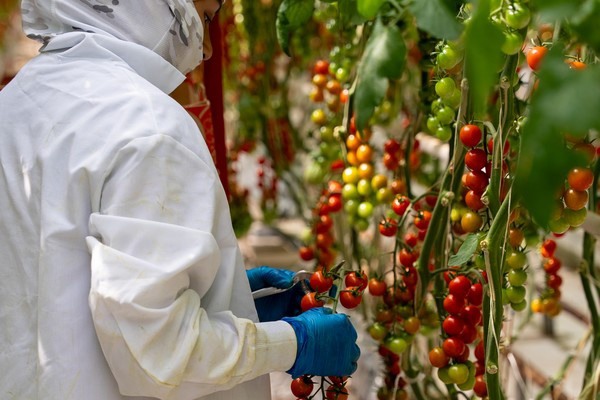 © NatureSweet
"As a vertically integrated greenhouse grower, we manage every step of the process—from growing and harvesting to packaging and distribution—which gives us the ability to absorb some of the cost shocks and all of the additional administrative burden," said Rodolfo Spielmann, president and CEO of NatureSweet. "However, we operate in a thin-margin industry in which our model is unique, and most growers and distributors are separate. Many smaller growers might not have this flexibility, and this new burden will push some to the brink."
The ripple effects of these pressures are more than just economics. Food safety and product quality are also at risk as reduced supply may force less-resourced growers to cut corners or leave the market entirely. Increased reliance on open-field operations, which are harder to monitor and more vulnerable to contamination, could further elevate food safety risks.
For nearly 30 years, the TSA has provided a framework that protects Florida growers while supporting a diverse and resilient tomato market across North America. NatureSweet urges all stakeholders to return to the table and negotiate a new agreement that preserves consumer access to safe, high-quality, and affordable tomatoes.
"Our tomatoes are grown year-round in greenhouses and ripened naturally on the vine—unlike many field-grown Florida tomatoes, which are picked green and artificially ripened with gas," said Skip Hulett, chief legal officer of NatureSweet.
The company will continue to do everything possible to minimize price impacts and safeguard quality, but it is calling for a collaborative, long-term solution that benefits growers, retailers, and consumers alike. "Let's not turn a trade dispute into a food crisis. Let's fix this—before the damage becomes permanent," adds Hulett.
 For more information:
Jennifer Halpin
NatureSweet
[email protected]
https://naturesweet.com/