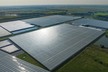
The pressure on the grid is no longer a future problem. Real-time data and congestion maps show how frequently regions are hitting capacity limits. As more businesses seek grid access or expansion, they're increasingly told: "Not possible." In response, companies like Anexo are stepping up efforts to guide clients through alternatives like Closed Distribution Systems (GDS), a concept gaining ground as the traditional grid reaches its limits.
These developments were discussed during a session organized by the Agro Businessclub Westland in Netherlands. The session was hosted by Juva, more officially known as Westland Infra Netbeheer. Emile Croin from Anexo, one of Juva's sister companies, bravely brought up the growing issue of grid congestion. Jan Willem Zwang, representing Stratergy, then gave some insight into the volatile state of the gas market. After that, it was up to Bart Setz from bQurius to connect all of this to real-life practice in greenhouse horticulture. Here's a summary.
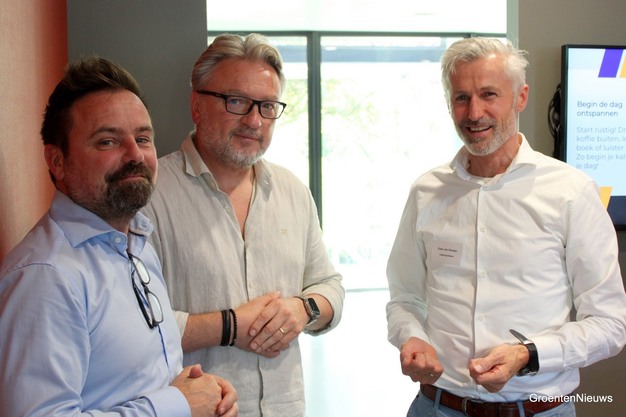 © Thijmen Tiersma | HortiDaily.comSpeakers Emile Croin (Anexo), Jan Willem Zwang (Stratergy), and quiz winner Daan van Winden (Vollebregt Barten Real Estate).
Use it or lose it
One term that's quickly becoming relevant: Gotork—"Gebruik Op Tijd Of Raak Kwijt" (Use It or Lose It). It reflects the stark new reality: unused capacity might soon be revoked. Grid operators are sending letters notifying businesses of this risk, leading to mounting legal and financial concerns. This shift in policy creates urgency for businesses to optimize electricity usage or risk losing their connection altogether.
Meanwhile, the gas market continues to show its volatility. The underlying causes—geopolitical uncertainty, regulatory shifts, and supply chain disruptions—are pushing prices upward. With new climate taxes looming, greenhouse operators could face cost increases of up to €10 per square meter by 2030. The financial impact is especially sharp for growers relying on artificial lighting or traditional boilers.
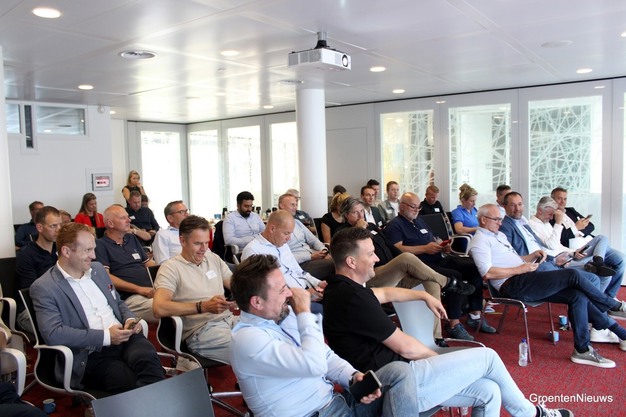 © Thijmen Tiersma | HortiDaily.comJan Willem Zwang from Stratergy conducted a quiz, allowing everyone to use their smartphones for a moment
Battery systems
Against this backdrop, interest in battery systems is rising. But despite the growing attention, adoption remains low. For many horticultural businesses, the financial case for battery storage still doesn't stack up. Combined Heat and Power (CHP) units remain the backbone of energy production on greenhouse sites, but the waiting lists for new installations are long. The concern is growing: if no scalable solutions are available soon, some growers may be forced to downsize—or shut down.
The electricity market itself is becoming more complex. While the average price is expected to hover around €90 per megawatt-hour in 2025, imbalance prices are creating wild swings. At peak moments, TenneT may offer as much as €68,800 per 15-minute period for power supply adjustments to stabilize the grid. However, opportunities like this are more accessible to industrial players than to greenhouse growers, who are typically already operating at full capacity during such spikes.
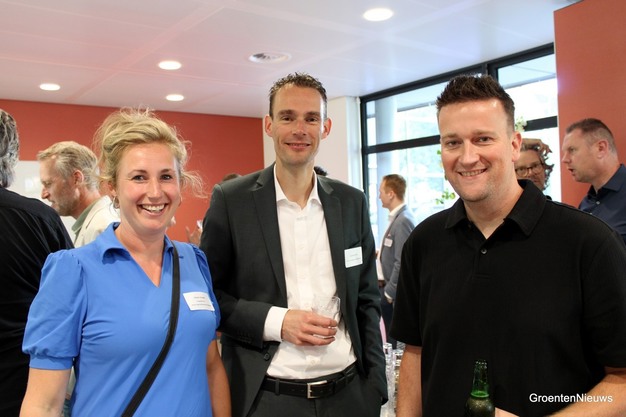 © Thijmen Tiersma | HortiDaily.comSpeaker Bart Setz (bQurius, right) with Hester Hordijk (Flortpartners) and Laurens Vis (Alfa Accountants and Advisors). View the full photo report of the afternoon here (link in Dutch)
Changing fast
Market conditions are changing fast. From the rise of new grid management strategies like GDS and energy hubs to shifting gas contracts and unpredictable tax burdens, businesses in the horticulture sector are under pressure to adapt quickly. Knowing how and when to use energy is becoming just as important as how much of it you use.
For growers, investors, and energy advisors alike, one message is clear: proactive energy strategy is no longer optional. Understanding market dynamics—both in infrastructure and pricing—will determine who can thrive in the years ahead.
View the photo report of the afternoon here (link in Dutch)