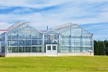
TNO is collaborating with the greenhouse construction sector on innovative solutions to further professionalize and optimize building processes. This is particularly relevant following a recent incident in which a greenhouse collapsed due to human error.
One such innovation is the rollout of the Greenhouse Information System (KIS). KIS provides a standardized communication platform for all aspects of greenhouse construction. "We're currently rolling out this system for newly built greenhouses," says Egon Janssen, Manager of Greenhouse Horticulture at TNO. "The Greenhouse Information System can help speed up construction while also improving both quality and safety."
Here's how it works: a major benefit of KIS is that it brings uniformity and clarity to communication. Rather than switching between phone calls and different digital platforms, all communication takes place within one system. As the project progresses, the system accumulates all specifications in a single location. As Egon previously explained, "It creates a digital blueprint of what the greenhouse will look like and how it is assembled."
All parties involved in the construction process communicate via KIS and can upload their own documents, creating a single, comprehensive dossier. "This system could also support renovation or major maintenance projects," Janssen adds. "It enables a more professional approach and reduces the risk of errors thanks to a centralized collection of all relevant information."
Smart greenhouses that can detect danger
A second innovation is the development of the smart greenhouse, which can detect and issue warnings about unsafe situations. While still in the experimental phase, several demo greenhouses have already been equipped with sensors as part of this project. Currently, the sensor data is primarily used to refine construction and safety models.
Could such technology have prevented the recent collapse? "You'd have had to act very quickly," Janssen said in response to the Middenmeer incident. "In this case, too many cross braces were removed, the wind picked up, and the greenhouse became unstable and collapsed."
There was a time gap between the removal of the braces and the actual collapse. "In the future, sensor data from a smart greenhouse could detect unusual movements. If a greenhouse begins to sway noticeably without strong wind, that would be a clear signal that something is seriously wrong."
For more information:
TNO
[email protected]
www.tno.nl