Preparations are underway for the upcoming Moroccan bell pepper season. Amine Amanatoullah, the CEO of Fast Expo, says, "We are currently preparing the soil to begin planting during the third week of July, and the season is expected to start in September as usual."
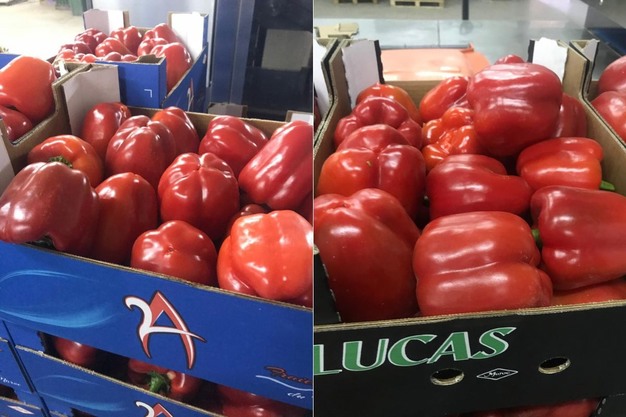 © Fast Expo
The acreage of bell peppers has increased in recent seasons in the Souss Massa region, but has now reached the limits of available water. Amanatoullah explains, "Many growers in the region have reduced their acreage of round tomatoes due to ToBRFV and have converted their greenhouses to produce bell peppers. This has been the trend in recent seasons, with a 15% increase in pepper acreage last season. However, the acreage has now reached saturation point, and I don't think there will be more peppers next season. Water availability remains a constraint we have to live with."
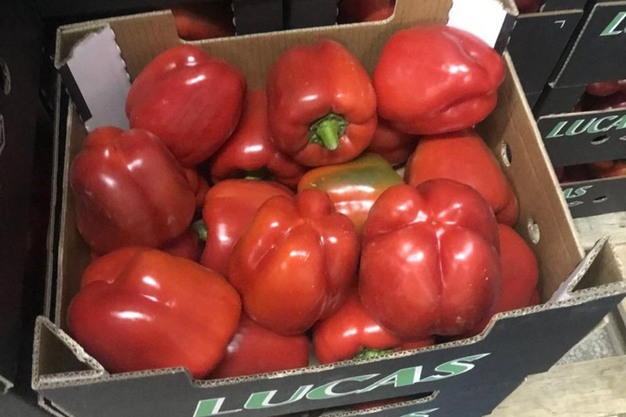
The past season ended in June and was declared a success by industry actors. According to Amanatoullah, Moroccan bell peppers were in high demand in two main markets: Germany and the United Kingdom. The French market came in second. He adds, "Most exports are carried out through programs that cover the entire season. The most in-demand variety is red bell peppers, which dominate the market and account for 75% of production."
Prices for Moroccan bell peppers remained stable last season due to contract-based exporting. According to the grower, there was a period when prices peaked, reaching exceptional levels from January to early March, due to production issues in Spain. The price increase offset a significant decline in yield caused by cold weather during the season. He adds, "The high prices during the January-March period remain linked to an exceptional situation in Spain and are not representative of the market situation."
 © Fast Expo
Preparations for the next season are ongoing in serenity despite a significant risk. Morocco is expected to experience intense heat waves this summer, similar to those in 2023, which took a toll on early vegetable growers in Souss Massa. According to Amanatoullah, "The factor of heat waves and climate, in general, remains a sword of Damocles over growers' heads and is always present. Those who prepare well will be able to cope. Overall, a 15% loss in volume due to heat is acceptable. It also depends on when the heat wave occurs. We expect it to happen while the plants are young and easy to replace."
The phytosanitary situation also remains under control, the grower assures: "Viruses and fungi affect peppers, too, but not as severely as they affect tomatoes. Growers in the region are used to this and know how to adapt. However, the phytosanitary situation also contributes to limiting the surface area."
For more information:
Amine Amantoullah
Fastexpo
Tel : +212 661 281321
Email: [email protected]