The Egyptian bell pepper season ended in June. According to Ayman El Sayed, sales and export manager at Fresh Zone, it was "definitely successful." The exporter looks back on the highlights of the campaign.
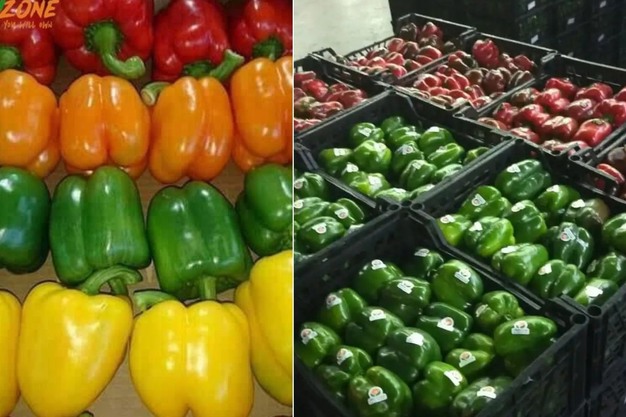
El Sayed says, "It was a successful season, but we faced some logistical challenges and fluctuations in global market demand. In our view, exporters who focused on precise harvest timing and strong post-harvest handling achieved very satisfactory results. This particular season was a positive step forward for Egypt's competitive position in the pepper market."
 © Fresh Zone
According to the exporter, demand this season showed a slight increase compared to last year, especially during the mid-season when European supply was limited. He explained, "There was strong demand for Egyptian bell peppers, especially in nearby European and Gulf markets. Improved transit times, thanks to newly introduced logistics channels such as RO-RO services, gave us a boost in many markets:
- Gulf countries, such as the UAE, Saudi Arabia, and Qatar, were particularly dynamic and maintained steady demand throughout the season.
- Eastern Europe also showed notable growth, especially in Poland and Romania, where Egyptian peppers are gaining recognition for their quality and competitive prices.
- In Western Europe, particularly in Germany and the Netherlands, demand remained stable, though it was highly affected by competition from overlapping supplies of other origins."
 © Fresh Zone
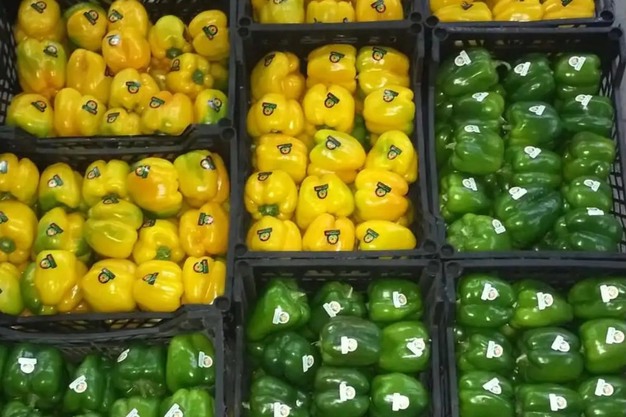
El Sayed adds that prices for Egyptian bell peppers this season were generally stable with moderate fluctuations. He elaborates: "Prices depended on variety, color, and timing within the export window. During the early part of the season (November to January), prices were relatively strong, especially for red and yellow peppers. Limited supply from competing origins during that period allowed Egyptian exporters to obtain good margins."
"As the season progressed from March to June, prices experienced slight pressure due to increased availability from other origins, such as Spain and Turkey. Meanwhile, rising shipping costs and currency fluctuations affected importers in price-sensitive markets. Overall, returns were acceptable, especially for exporters who managed shipping logistics efficiently and ensured product quality upon arrival," he continues.
 © Fresh Zone
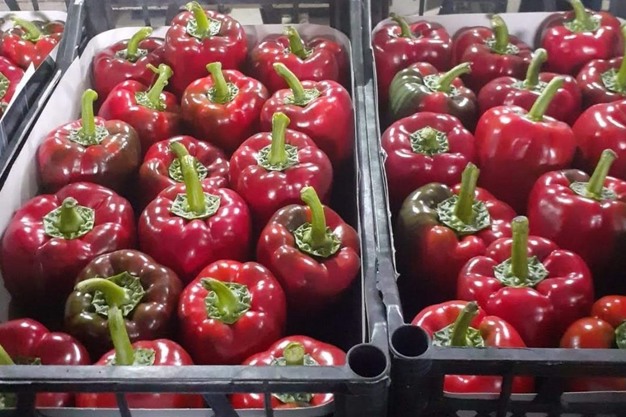
The past season gives Egyptian exporters reason to be hopeful for the growth of the industry. El Sayed shares, "Based on current feedback from the past season, we have a good feeling about the upcoming season and are considering a moderate increase in acreage, especially for red and yellow varieties, which have shown more profitability and market demand."
"Promising markets for the upcoming seasons include Eastern Europe, where demand is growing and competition is less intense; the Asian market, particularly Malaysia and Singapore, has started to show interest in Egyptian peppers due to their freshness and competitive pricing. However, the logistics costs are very high due to the long transit time to most destination ports. Finally, the Gulf region will continue to be a key focus due to its ease of logistics (by sea or land freight) and consistent import patterns," El Sayed concludes.
For more information:
Ayman El Sayed
Fresh Zone
Tel: +201120038949 / +201026928587
Email: [email protected]
www.egyfreshzone.com