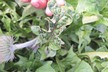
The Australian National Management Group (NMG) agreed at its meeting on 29 May 2025 that it is no longer technically feasible to eradicate tomato brown rugose fruit virus (ToBRFV) from Australia. This decision is based on the technical considerations of the Consultative Committee on Emergency Plant Pests (CCEPP) and engagement with production nursery, capsicum, processing and fresh tomato industries on the potential to manage the pest as part of their normal business operations.
Since initial detections in South Australian protected cropping facilities in August 2024, and subsequent confirmation in Victoria in January 2025, containment measures have included mandatory crop destruction, quarantine, and intensive surveillance. In northern Victoria, a recent detection on young plant material has highlighted ongoing challenges in tracing and managing transmission pathways. Growers united their voices, asking for a change of the eradication status.
"While the NMG agreed that it was no longer technically feasible to eradicate ToBRFV from Australia, the NMG also acknowledged that it was important that current strategies to contain the spread of the virus remain in place until such time as an agreed national strategy for management can be developed in consultation with impacted industries", the organisation shares. "Following this decision and in further engagement with the impacted parties, advice will be provided urgently from the CCEPP regarding options on how best to support industry in preparing to manage and reduce the impacts of ToBRFV on Australian producers."
The South Australia Department of Primary Industries and Regions (PIRSA) and Agriculture Victoria will continue to work with property owners and industry through the next stages of the response.
The NMG acknowledged the impact that ToBRFV has had on fresh tomato growers, production nurseries and wider industry and recognised the substantial efforts by the impacted growers, PIRSA, and Agriculture Victoria in response efforts to date.
"The national biosecurity system in Australia is effective at preventing and addressing pest and disease incursions through a coordinated approach offshore, at the border and onshore. This involves prevention, detection, eradication and management techniques. Australia's stringent biosecurity measures for this virus put in place in 2019 successfully kept Australia free from the virus until 2024. It is anticipated that going forward Australian producers will significantly benefit from the rapid growth in understanding of both the biology and management of this virus that has been achieved by producers who have learned to live with the virus in other parts of the world."
ToBRFV does not pose any food safety or public health risk. However, growers are advised to continue surveillance, implement on-farm biosecurity measures, and report suspect symptoms. "Reporting suspicion of pests and diseases is easy and vital in protecting Australia. If you suspect the presence of the virus or notice any symptoms, contact the Emergency Plant Pest Hotline on 1800 084 881."
For more information:
www.pir.sa.gov.au/tobrfv
https://agriculture.vic.gov.au