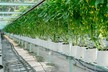
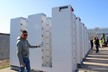
"The aim is to integrate photovoltaic systems into greenhouses to support growers in helping them grow crops and earn additional income by generating renewable energy." This concept is explained by Dr. Ibrahim Yehia, founder of the Al-Zahrawi Society and TriSolar Ltd.
Dr. Yehia, a physicist with over 30 years of experience in semiconductors and solar energy, is clear on the project's purpose. He emphasizes the economic stability that energy generation can bring. "Agriculture prices fluctuate," he says, "but electricity production offers a predictable income over 20 years. This provides growers with economic security."
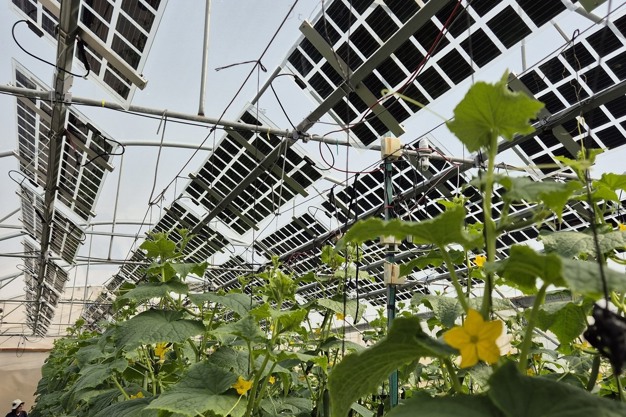 © REGACE
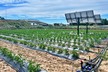
REGACE Pilot site in Kafr Qara
Smart integration with zero land footprint
Unlike traditional solar installations that require extensive infrastructure, the REGACE project (short for Renewable Electricity Generation in Agriculture and Controlled Environments) uses a more efficient model. "In open fields, solar installations often require heavy infrastructure, including cement, steel frames, and a lot of manpower," Dr. Yehia states. "But our system uses the existing greenhouse structure. It's simple, quick to install, and cost-effective."
This low-impact design has significant implications for cost-effectiveness. The concept of levelised cost of energy (LCOE), a metric used to assess the long-term cost of energy production, is central to the project. "We achieve a better return on investment because we don't need extra infrastructure. Our system requires minimal materials and manpower," he adds.
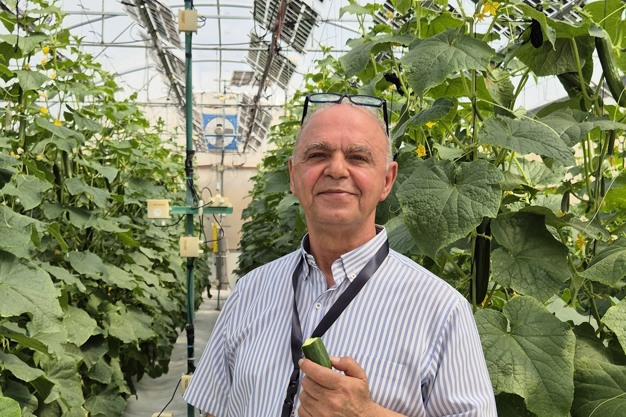 © REGACE
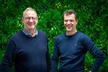
REGACE coordinator Dr. Ibrahim Yehia
Photosynthesis first: A responsive energy system
One of the project's most innovative features is a photovoltaic system that responds to plant needs in real time. "The system reads the photosynthesis activity of the crops and responds accordingly," Dr. Yehia explains. "We prioritise agriculture first, ensuring no loss in yield, and then use the remaining radiation for energy production."
This balance between light and power is essential to the project's success. "Yes, we lose some light penetration indoors, about 15 to 18%, compared to outdoor conditions," he admits, "but our cost is far below traditional photovoltaic systems. So, the return on investment is still stronger."
Test sites have reported no yield loss thanks to this smart tracking and adaptive shading system. "What we lose in sunlight, we gain back in energy and cost savings," Dr. Yehia emphasizes. "The system delivers a higher return than traditional PV setups because we design for harmony, not competition."
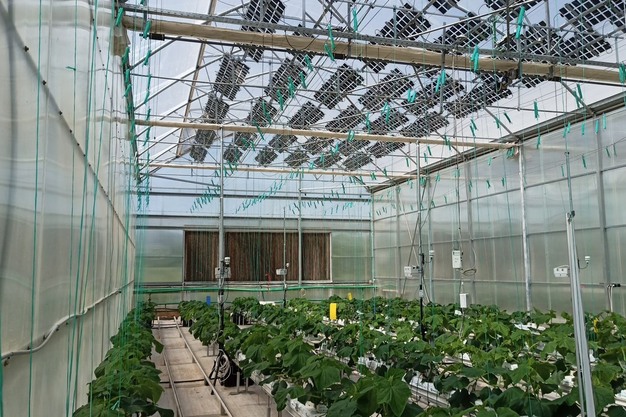 © REGACE
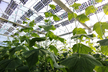
University of Thessaly Pilot in the Greenhouse Park Velestino
Environmental harmony and landscape preservation
Beyond economics, the project also addresses ecological sustainability and aesthetics. "Our system doesn't alter the landscape," Dr. Yehia notes. "It fits within the greenhouse without changing the external environment. That's very different from traditional solar installations in open fields."
This approach ensures that farmland remains farmland. "We avoid disrupting land use," he adds. "There's no need to repurpose farmland or build on natural landscapes. The greenhouse remains part of the agricultural ecosystem."
EU-backed innovation with global vision
Funded by the European Union with a €5.3 million grant under Horizon Europe as part of the European Green Deal, REGACE aims to enhance the productivity and sustainability of greenhouse agriculture. "This is a project funded by the European Union under Horizon Europe," explains Dan Gerstenfeld of Interteam, the project's communication and dissemination lead.
"It's being led by the Al-Zahrawi Society from Israel, which is unique. It's a regional research center that primarily serves Arab-Israeli communities outside major cities." The Al-Zahrawi Society heads a global consortium of academic and private partners working together to drive innovation in greenhouse agriculture.
REGACE brings together a wide array of contributors: TriSolar Ltd. (Israel) supplies solar panels and tracking systems; universities involved include Rome Tor Vergata (Italy), Thessaly (Greece), Humboldt (Germany), Tel Aviv University (Israel), and the University of Natural Resources and Life Sciences (Austria); German partner BioGarantai operates a test farm; and real-world installations span six countries and climate zones. One test site is hosted by Italian farmer Fotita Susila del Chicarro.
"We're testing the system across various climates, from humid coastal zones to arid inland farms, to validate its performance under real-world agricultural conditions," Dan says.
A technological answer to food security
As climate change and global demand put pressure on food systems, the REGACE team believes their innovation has far-reaching potential. "There's a worldwide trend toward greenhouse construction to ensure food security," Dr. Yehia says. "Our technology offers a great opportunity to integrate solar energy into that momentum."
He adds: "We're actively seeking partners around the world, greenhouse builders, clean energy developers, agri-tech innovators, and public sector collaborators, anyone interested in combining agriculture and energy to align with sustainable development goals."
For more information:
REGACE
regaceproject.com